Why Won't Baby Ear Protection Stay On? Troubleshooting Common Fit Issues
When baby ear protection won't stay put, it defeats the purpose. Discover practical solutions for sizing, adjustment, and positioning problems that help parents protect their little one's hearing at loud events.
You bought ear protection for your baby, but it keeps sliding off during the game or concert. This frustrating problem leaves parents wondering if they wasted their money or chose the wrong product. The good news? Most fit issues with baby earmuffs stem from easily fixable problems.
Common Reasons Baby Earmuffs Won't Stay in Place
Before assuming the product is defective, check these typical culprits:
- Wrong age range: Earmuffs designed for 3 months to 3 years may still be too large for younger infants or too small for toddlers approaching the upper limit
- Headband needs adjustment: The adjustable band requires proper positioning to create a secure but comfortable seal
- Baby movement: Active babies naturally shake their heads and wiggle, which can loosen even well-fitted earmuffs
- Hair interference: Thick hair or certain hairstyles can prevent proper contact between the padding and ears
- Incorrect positioning: The earcups must fully cover the ears without gaps
How to Fix Fit Problems with BBTKCARE Ear Protection
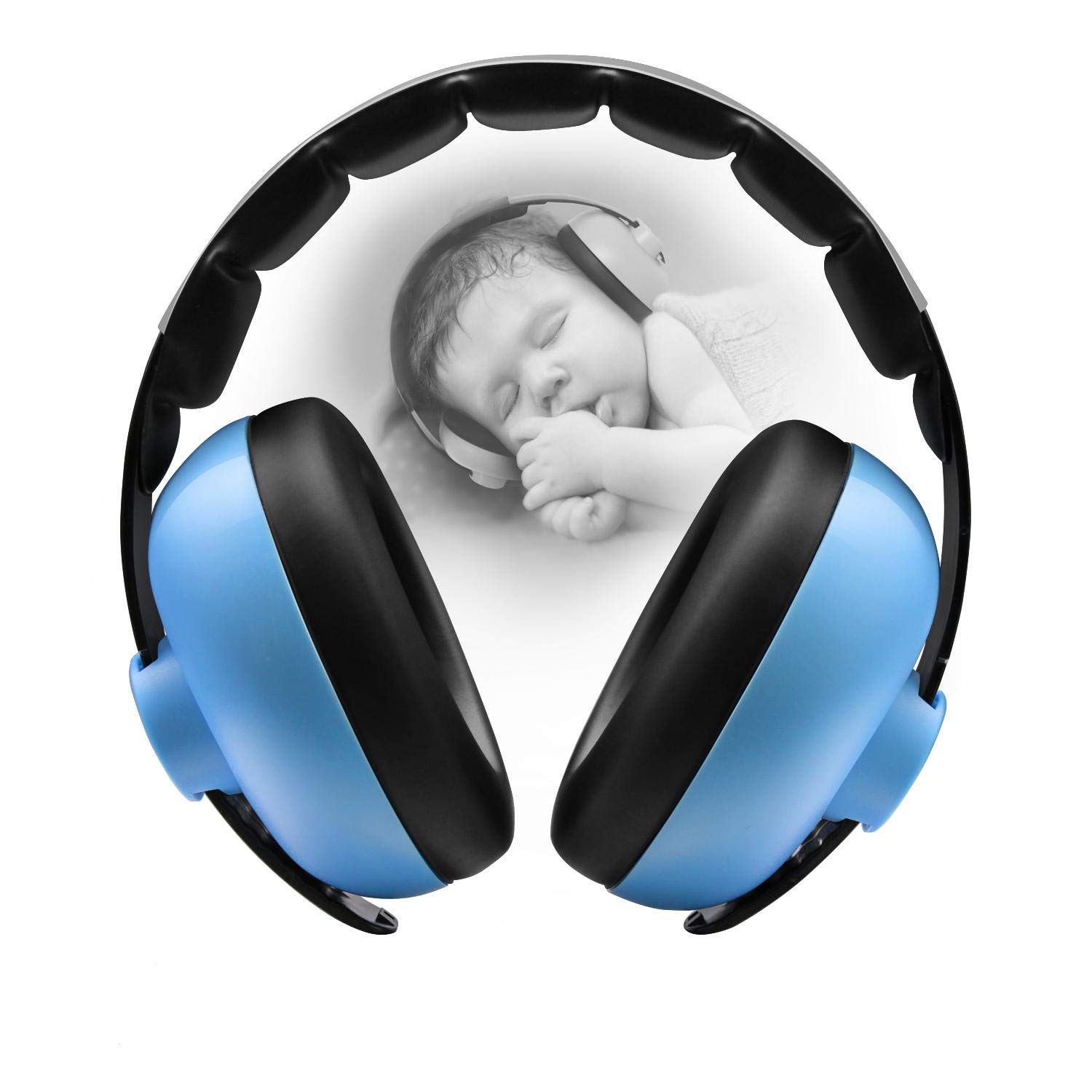
The Baby Ear Protection Noise Cancelling Headphones for Babies for 3 Months to 3 Years (Blue) features an adjustable headband and soft PU padding designed to fit growing infants. Here's how to optimize the fit:
Step-by-Step Adjustment Process
Start by extending the headband fully. Place the earmuffs on your baby's head with the band positioned over the crown. The ABS cover should sit flat against the sides of the head, not tilted. Slowly tighten the band until the padding creates a gentle seal around each ear without pressing too firmly.
The zero-pressure design means you shouldn't need to crank the band tight. If the earmuffs feel loose, try repositioning them slightly forward or back on the head. The compact dimensions of 5.4 x 2.75 x 6 inches work best when the earcups center directly over the ear canals.
What to Do When Baby Keeps Pulling Them Off
Distraction works better than restraint. At sporting events, fireworks shows, or during airplane travel, engage your baby with toys or snacks right after putting the earmuffs on. The 23 dB noise reduction helps babies stay calmer in loud environments, which often reduces fidgeting once they adjust to wearing them.
For very young infants who haven't developed the motor skills to remove them, the main issue is usually slippage from movement. Consider timing their use during nap periods when they're less active.
Size Confirmation Before Purchase
Measure your baby's head circumference before ordering. While the Baby Ear Protection Noise Cancelling Headphones for Babies for 3 Months to 3 Years (Blue) adjusts for growth, babies at the extreme ends of the age range may experience fit challenges. The product specifications note the importance of confirming dimensions match your child's current size.
Material and Safety Considerations
The silicone-free and BPA-free construction with US and EU certifications ensures the materials won't cause skin irritation that might make babies resist wearing them. If your baby seems uncomfortable beyond normal adjustment time, check that the padding sits flat without folding or bunching.
The Verdict
Most fit problems with baby ear protection resolve through proper adjustment and positioning. The adjustable headband and soft padded design accommodate different head shapes and sizes within the specified age range. Persistent slippage usually indicates the baby has outgrown the product or needs a different style altogether.
Who This Solution Works For
Parents dealing with earmuffs that slide during normal baby movement will benefit from these adjustment techniques. This approach works especially well for babies in the middle of the 3-month to 3-year range who fit the standard dimensions. Families attending occasional loud events where perfect fit matters for short periods will find these troubleshooting steps sufficient.
Who Should Consider Alternatives
Babies who consistently fight any head-worn items may need more time before introducing ear protection. Very small newborns under 3 months or large toddlers approaching 4 years might require products designed for different age brackets. If adjustment attempts don't resolve slippage after multiple tries, the head shape may simply not match this particular model's design.
Related Buying Guides
- Crib Rail Cover Height Matters: 18-Inch vs 7-Inch Mesh Panels Compared
- Best Waterproof Labels for Baby Milestone Jars and Keepsake Memory Boxes
- Drawstring Baby Laundry Hampers That Seal Shut and Keep Dust Out
- KUKUGO vs JASVIC Car Window Shades: Best 4-Pack for Outfitting Two Family Cars
- Sure Feed Full-Bleed vs Glossy Vinyl: Which Printable Label Gives Better Results for Custom Baby Gifts
- Best Baby Walkers to Gift This Holiday Season