How to Stop a Baby’s Door From Slamming and Pinching Fingers
A slamming door usually needs a stable gap, not a complicated installation. This troubleshooting guide explains where to place a silicone door pinch guard, when it helps, and when to skip it.
Start with the door problem
Door safety issues usually appear in three forms: the door slams shut, small fingers reach the hinge-side gap, or a child or pet gets separated when the door closes. A useful fix must hold the door open without permanent hardware, cushion movement, and stay attached during normal use.
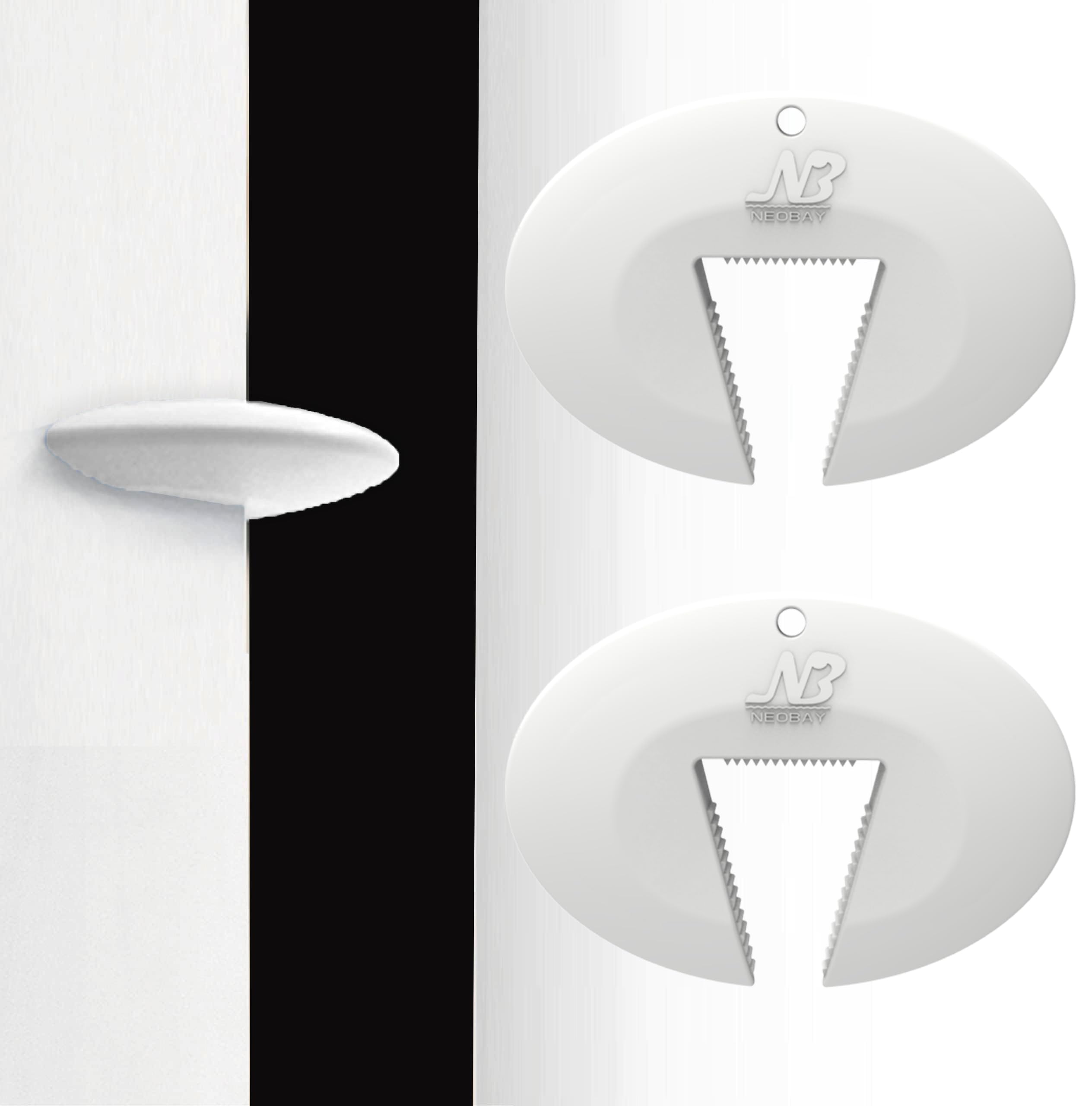
The Neobay Door Pinch Guard and Door Slam Stopper, Durable Silicone Door Finger Pinch Guard, Prevents Slamming on Heavy Doors, Non-Toxic & Pet Friendly, White, 2 Packs addresses that specific combination with a flexible C-shaped silicone guard.
Troubleshoot by symptom
| Symptom | What this guard changes |
|---|---|
| Door slams after opening | Maintains a 1.5-inch gap and cushions the closing edge. |
| Fingers reach the closing gap | Keeps the door from fully closing at the guarded position. |
| Guard slips during use | Flexible teeth help stabilize the guard, including on heavy doors. |
| Guard needed only temporarily | Removes easily. Hang it from the door handle through its built-in hole. |
Placement matters
Attach the guard to the side or top of the door, depending on where the closing movement creates the problem. Check that it sits securely around the door before relying on it. The two-pack format can cover two doors or keep one available when the first is removed for storage.
Balanced verdict
This is a practical, removable solution for stopping slams and preserving an open gap. Durable silicone is designed for extended service and should not leave marks, while the non-toxic, pet-friendly material suits homes with children and animals. It does not lock a door, control access, or replace supervision. Door fit, placement, and everyday household behavior still matter.
Who it suits
- Parents troubleshooting slamming or finger-pinching door gaps.
- Homes with heavy doors, children, or pets.
- Renters wanting removable protection without permanent installation.
Who should skip it
- Anyone needing a lock, latch, or full door-access solution.
- Doors requiring unrestricted closure.
- Households unwilling to check placement after installation.
Related Buying Guides
- WONDERKID vs AUSTOR Self-Closing Outlet Covers: Which Slide Mechanism Is Smoother for Daily Use?
- Best Baby Shower Gift: Carrier Bib Sets That New Parents Actually Need
- Backseat Organizer with Tray Table vs. Without: Which Setup Actually Works for Daily School Runs?
- Baby Won't Keep Earmuffs On? Troubleshooting Infant Hearing Protection
- Beginner's Guide to Baby Diaper Cream: What Every New Parent Needs to Know
- How to Build a Budget Travel System with a Car-Seat-Compatible Stroller