Sit-to-Stand vs Traditional Seated Walker: Which Baby Walker Style Fits Your Child's Stage?
Choosing between a sit-to-stand walker and a traditional seated walker depends on your child's current stage and how long you want the toy to remain useful. We compare these two distinct walker styles to help you decide which approach supports your family best.
Understanding Two Different Walker Approaches
Baby walkers come in two fundamentally different styles: sit-to-stand convertible models that grow with your child from infant to preschooler, and traditional seated walkers designed specifically for babies learning to cruise. Each serves a distinct purpose and timeline in your child's development.
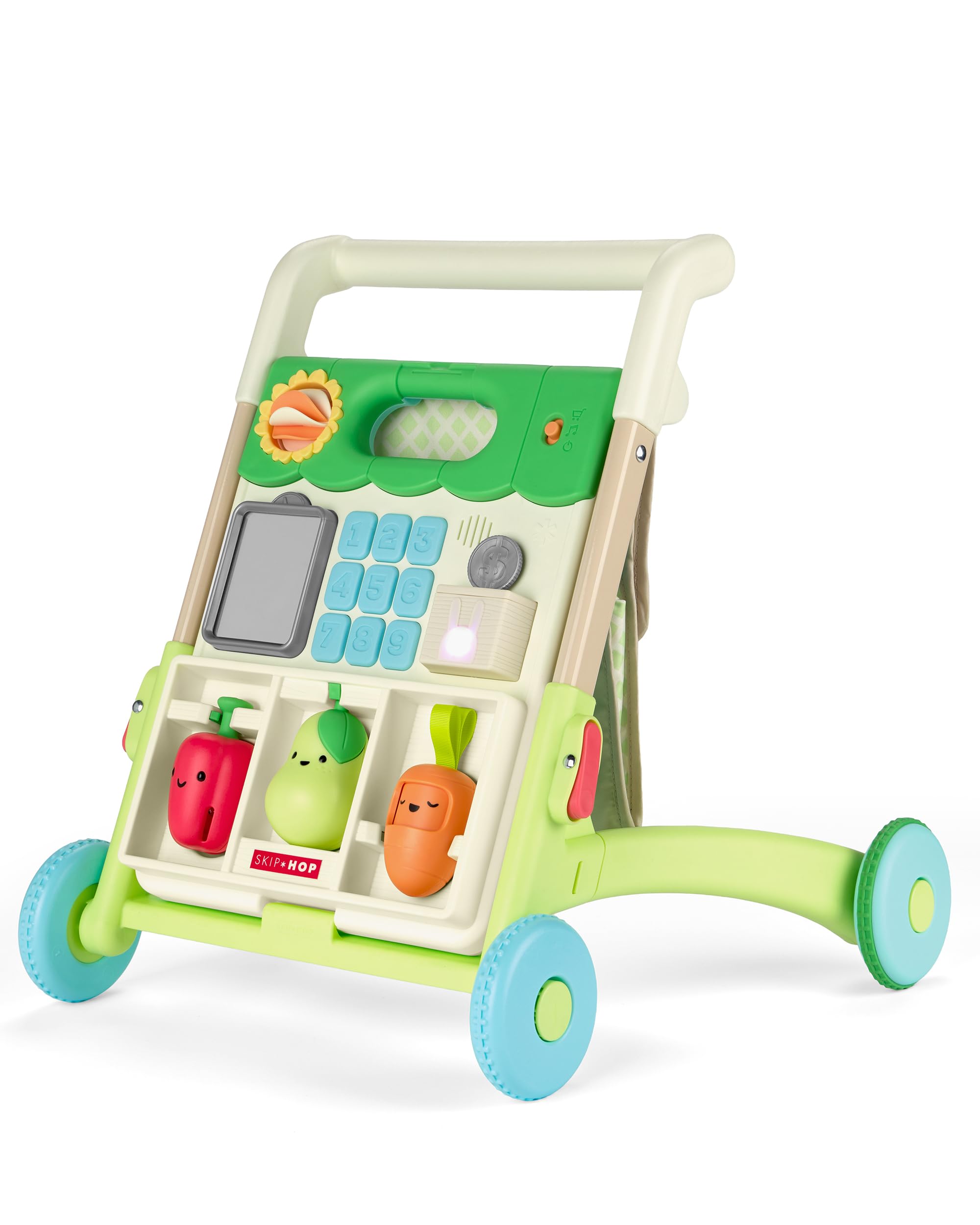
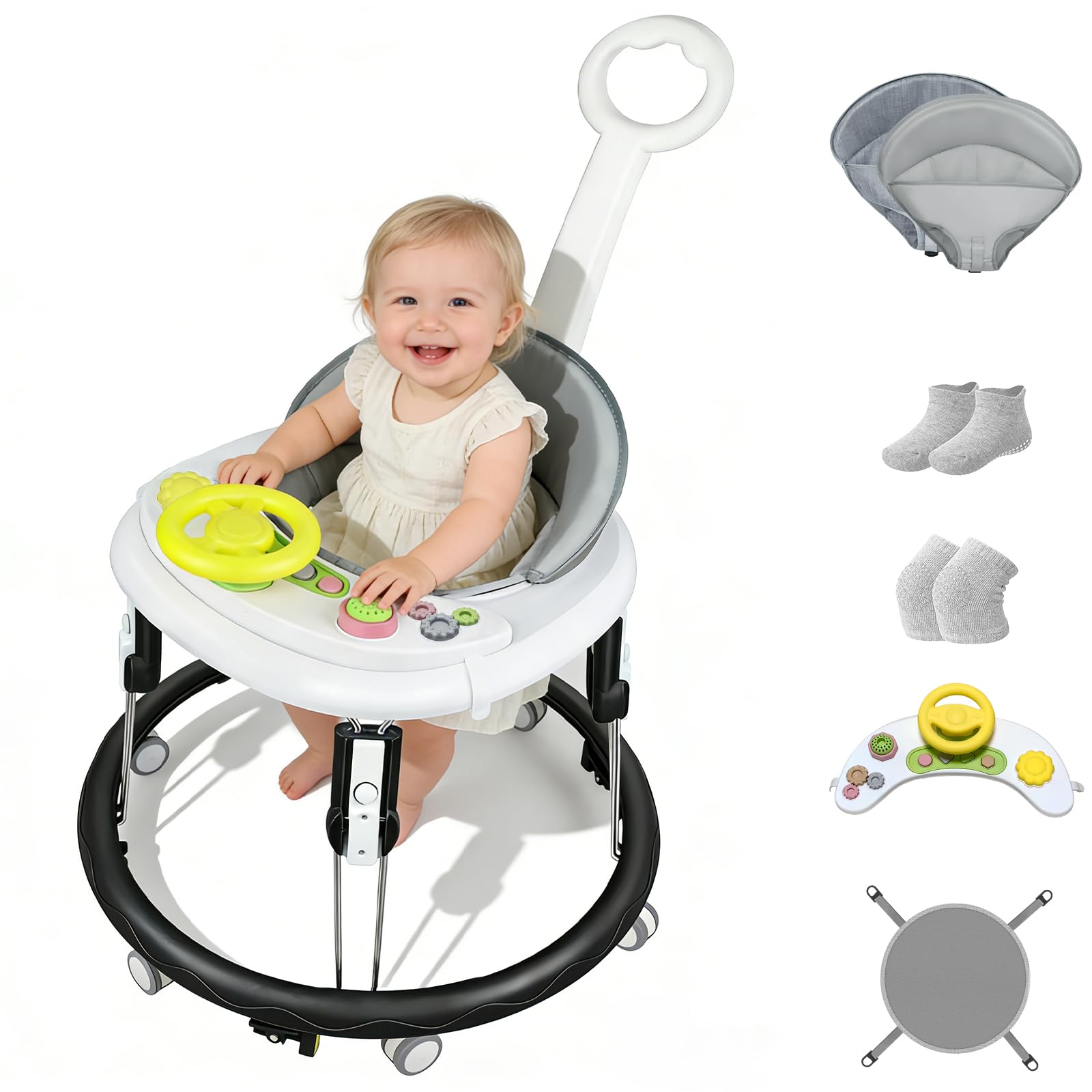
The Skip Hop Baby Walker 5-in-1 Sit to Stand Convertible Light Up Walker with 50+ Activities for Developmental Play, Songs and Sounds 3 Adjustable Handle Heights and Speed Control Switch Farmstand Age 6m+ represents the convertible approach, while the Foldable Baby Walker with Wheels 360, 5 in 1 Toddler Activity Walkers by CROSDE offers the traditional seated experience with modern upgrades.
Key Design Philosophy Differences
The Skip Hop Baby Walker 5-in-1 Sit to Stand Convertible Light Up Walker with 50+ Activities for Developmental Play, Songs and Sounds 3 Adjustable Handle Heights and Speed Control Switch Farmstand Age 6m+ focuses on longevity. It adapts through five configurations from 6 months to 5 years, starting with floor play and evolving into a push walker, shopping cart, stroller, and pretend play station. The detachable play panel works as a standalone easel or floor toy. Three handle heights accommodate growing children, and the farmstand theme includes over 50 interactive features like a sunflower spinner, musical scale, numbered keypad, and removable produce with different textures and sounds.
The Foldable Baby Walker with Wheels 360, 5 in 1 Toddler Activity Walkers takes a different path. Designed for babies 8 to 24 months, it provides a seated walker experience with a padded, height-adjustable seat that lets babies scoot and explore while supported. The circular base with 360-degree wheels allows unrestricted movement. Five height positions adjust from 8.6 to 11 inches off the ground. It includes dual seat cushions—one PU leather, one Oxford fabric—plus parking brakes that convert it into a stationary activity center. The package includes baby knee pads and cotton socks.
Feature Comparison
| Feature | Skip Hop Sit-to-Stand | CROSDE Seated Walker |
|---|---|---|
| Age Range | 6 months to 5 years | 8 to 24 months |
| Primary Use | Push walker, pretend play | Seated cruising walker |
| Activity Features | 50+ interactive elements | Detachable music tray |
| Portability | Panel detaches for transport | Folds to 10 inches tall |
| Seat | None (stand/push only) | Padded, removable, dual covers |
| Height Adjustments | 3 handle positions | 5 seat height positions |
Safety and Stability Features
The Skip Hop model uses non-skid rear wheels and a speed control switch to manage rolling pace. The CROSDE walker employs anti-rollover geometry with a wide circular base and includes four parking brakes. Its full wrap-around cushion and increased backrest height protect the spine, while smaller side openings reduce fall risk.
Who Each Walker Suits
The Sit-to-Stand Approach Works Best For:
- Families wanting one toy that spans multiple developmental stages
- Children who enjoy imaginative play and role-playing scenarios
- Parents prioritizing interactive learning features and sensory variety
- Homes where storage space accommodates a non-folding frame
The Traditional Seated Walker Works Best For:
- Babies in the active cruising phase who benefit from seated support
- Families needing a walker that folds flat for travel or tight storage
- Parents who prefer a focused tool for a specific developmental window
- Households wanting dual cushion options for easier cleaning
Balanced Verdict
These walkers serve different philosophies. The sit-to-stand model delivers extended value through adaptability and rich interactive content, making it the choice for families prioritizing years of use and learning-focused play. The seated walker excels in portability and targeted support during the cruising months, ideal for families who value compact storage and focused functionality during a specific developmental window. Neither approach is universally superior—your choice depends on whether you want a long-term investment or a specialized tool for early mobility.
Related Buying Guides
- WONDERKID vs AUSTOR Self-Closing Outlet Covers: Which Slide Mechanism Is Smoother for Daily Use?
- Best Baby Shower Gift: Carrier Bib Sets That New Parents Actually Need
- Backseat Organizer with Tray Table vs. Without: Which Setup Actually Works for Daily School Runs?
- Baby Won't Keep Earmuffs On? Troubleshooting Infant Hearing Protection
- Beginner's Guide to Baby Diaper Cream: What Every New Parent Needs to Know
- How to Build a Budget Travel System with a Car-Seat-Compatible Stroller