Quilted vs Standard Changing Pad Liners: Which Texture Is Right for Your Baby?
The texture of your changing pad liner affects more than just aesthetics. Discover how quilted and standard designs differ in softness, absorbency, and protection to help you choose the right option for your nursery.
When outfitting your nursery with waterproof changing pad liners, the debate between quilted and standard surface textures often comes up. While both styles protect your changing pad from messes, the tactile experience and functional benefits differ significantly. Understanding these distinctions helps you select liners that match your baby's comfort needs and your cleaning preferences.
Understanding Surface Texture Differences
Standard liners typically feature a smooth polyester surface with a waterproof backing, offering straightforward protection without added cushioning. Quilted liners incorporate a multi-layer design that traps air between stitched sections, creating a softer, more cushioned feel against your baby's skin.
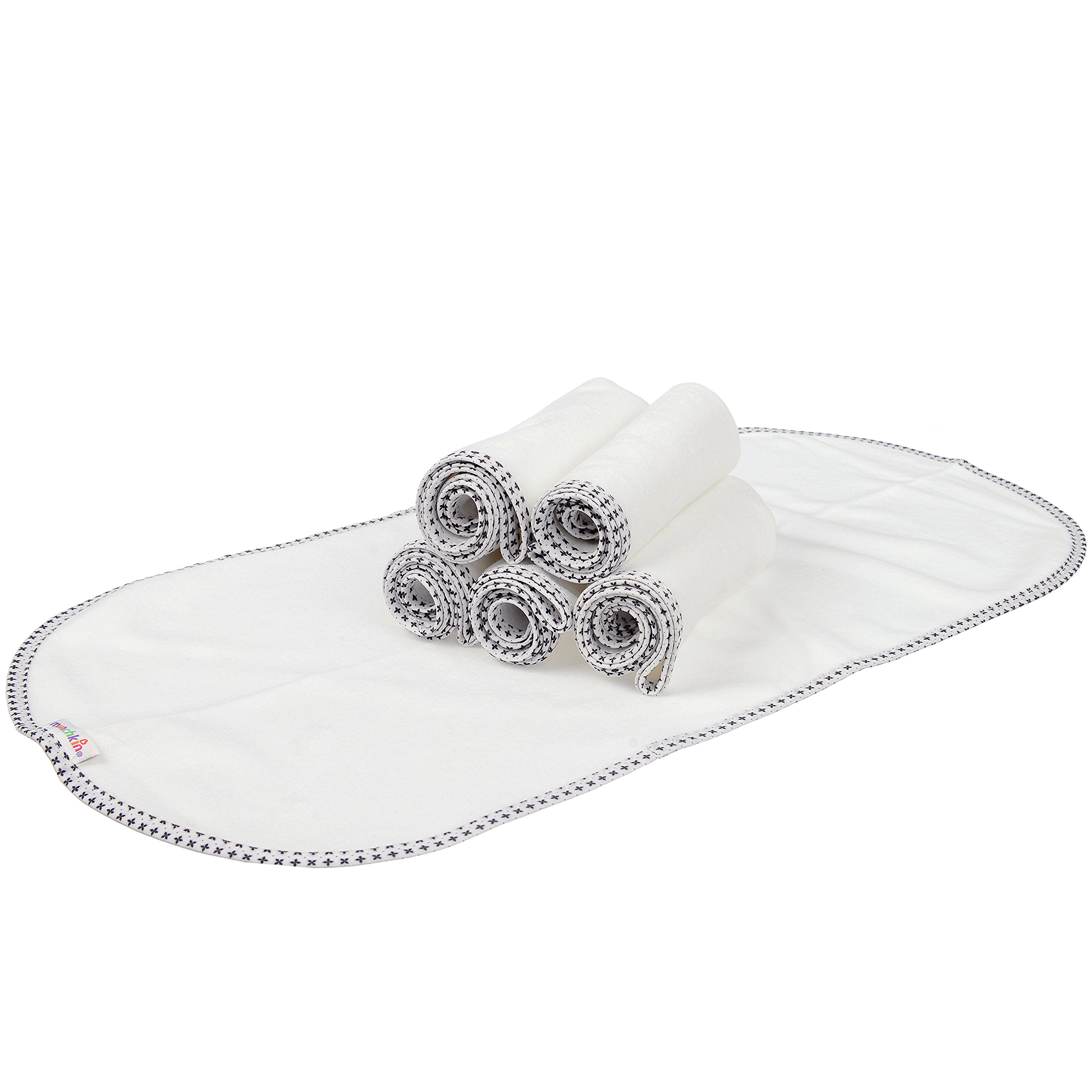
The Munchkin® Waterproof Changing Pad Liners, 6 Count represent the standard approach with 100% polyester construction and a PVC-free polyurethane coating. Measuring 22.75 x 11.5 inches, these liners deliver reliable waterproof protection with a smooth, neutral design that blends into most nursery aesthetics. The straightforward surface wipes clean easily and maintains its waterproof barrier through repeated machine washing.
Check Latest PriceThe Quilted Advantage: Absorbency and Comfort
BlueSnail Quilted Thicker Waterproof Changing Pad Liners 3 Count(Gray 13” x 27”)
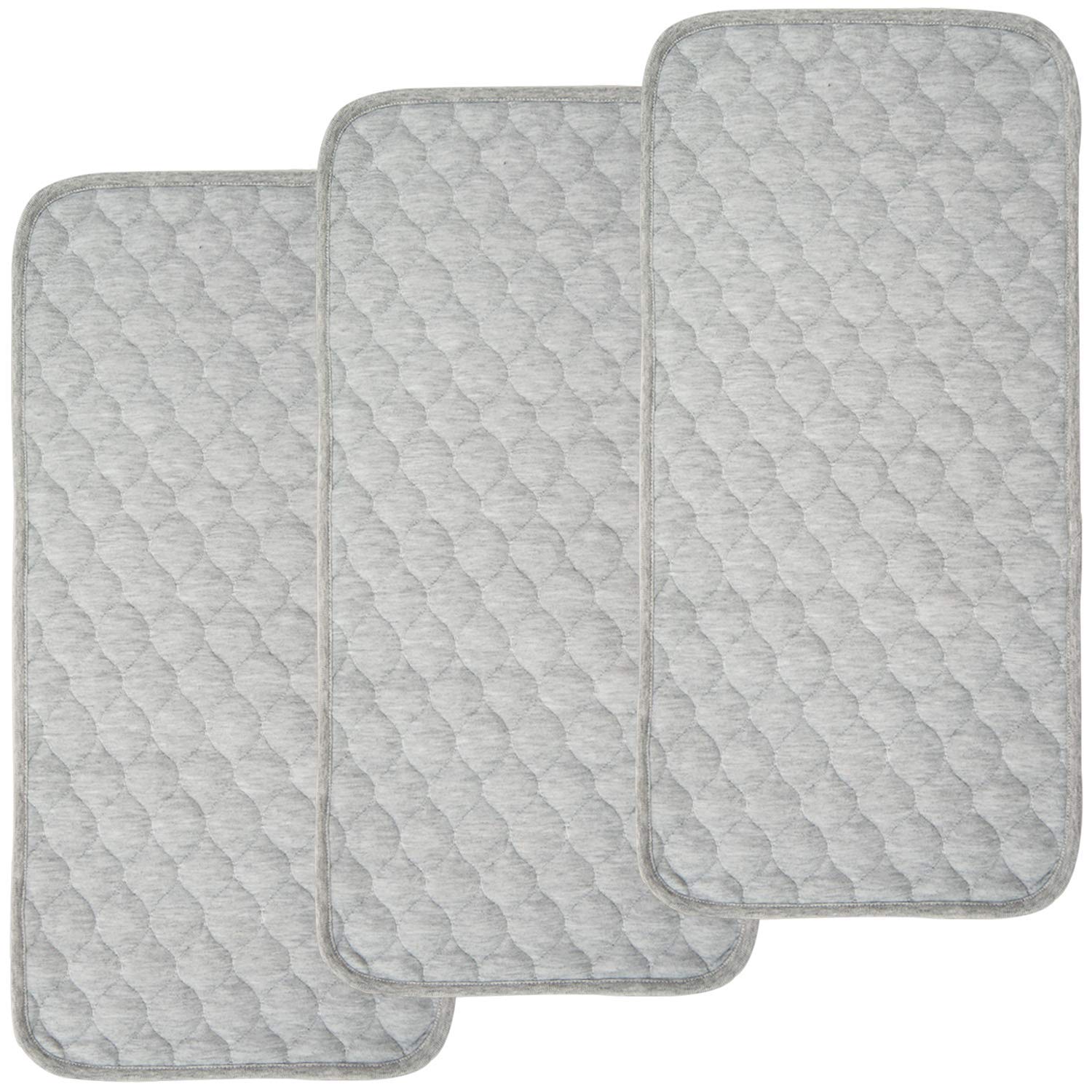
Quilted designs introduce notable differences in both feel and function. The BlueSnail Quilted Thicker Waterproof Changing Pad Liners 3 Count showcase this approach with a four-layer construction featuring 100% rayon on the face. At 13 x 27 inches, these larger liners provide extended coverage with a silky-soft texture that many parents find gentler for delicate skin.
The quilted structure enhances absorbency by creating pockets that can capture and hold small amounts of liquid before it reaches the waterproof layer. This extra buffering can be particularly useful during diaper blowouts or when dealing with newborns who frequently spit up during changes.
Check Latest PricePractical Considerations for Daily Use
| Feature | Standard Liners | Quilted Liners |
|---|---|---|
| Surface Feel | Smooth, firm | Soft, cushioned |
| Absorbency | Waterproof only | Multi-layer absorption |
| Drying Time | Faster | Longer |
| Bulk | Minimal | Thicker profile |
Both liner types are machine washable and dryer friendly, though quilted options typically require longer drying cycles due to their layered construction. Standard liners fold more compactly for travel and take up less space in your diaper bag, while quilted versions offer a more substantial presence that some babies seem to find more comfortable during longer changing sessions.
Making Your Decision
Choose Standard Liners If You:
- Prefer quick-drying materials that turn around fast between washes
- Need compact, lightweight liners for frequent travel
- Want straightforward waterproof protection without extra bulk
- Appreciate a sleek, minimalist nursery aesthetic
Choose Quilted Liners If You:
- Value enhanced softness and cushioning for your baby's comfort
- Want additional absorbency to handle small liquid amounts
- Prefer a more substantial feel under your baby during changes
- Don't mind slightly longer drying times for added texture benefits
The Balanced Verdict
Neither texture style outperforms the other universally—your choice depends on your specific priorities. Standard liners excel in practicality, offering reliable protection with minimal fuss and faster laundry turnaround. Quilted liners elevate the comfort factor with their plush texture and extra absorbency layer, though they require more drying time and storage space. Both options protect your changing pad effectively and withstand regular washing, making either choice a sound investment for your nursery setup.
Related Buying Guides
- Backseat Organizer With a Foldable Tray vs. Without: SURDOCA and Oneyus Go Head-to-Head
- Smopgn Portable Bottle Warmer Review: Travel-Friendly Milk Warming On the Go
- Vaunn Medical Foot Step Stool Review: A Sturdy Non-Slip Step Stool for Busy Families
- Best Lightweight Infant Car Seat Travel System: Evenflo Pivot NXT Editions Compared
- WONDERKID vs AUSTOR Self-Closing Outlet Covers: Which Slide Mechanism Is Smoother for Daily Use?
- Best Baby Shower Gift: Carrier Bib Sets That New Parents Actually Need