How to Store, Apply, and Extend the Life of Your Nipple Butter — Complete Care Guide
A practical maintenance guide for storing, applying, and getting maximum value from your organic nipple butter — beyond just breastfeeding relief.
Why Nipple Butter Maintenance Matters
You invested in a quality nipple butter. But if you store it wrong or apply it haphazardly, you lose potency, waste product, and slow your own healing. A few simple habits keep every scoop working as hard as day one.
Proper Storage: Keep It Clean and Effective
Organic, plant-based butters are sensitive to heat and contamination. Follow these rules:
- Cool, dry location — Avoid bathroom cabinets where steam and temperature swings soften the butter and degrade organic oils.
- Always use clean hands — Dipping unwashed fingers introduces moisture and bacteria that shorten shelf life.
- Seal tightly after each use — Air exposure dries out the butters and weakens the texture.
- Keep away from direct sunlight — UV breaks down the organic herbs and oils over time.
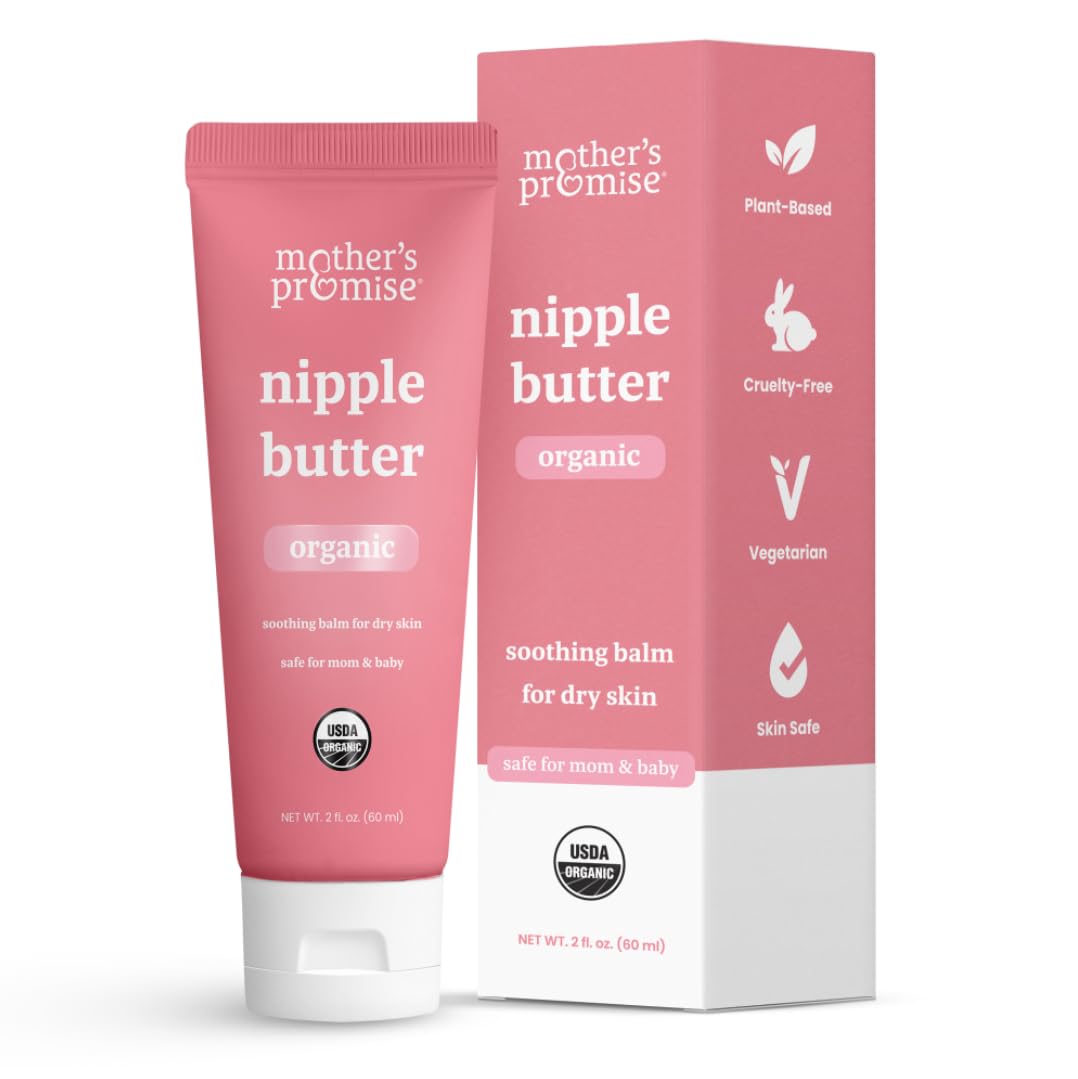
Application Technique: Less Is More
Most moms use too much. A pea-sized amount of Mother's Promise Nipple Butter, Nipple Cream for Breastfeeding covers both nipples. Warm it between your fingertips first — the organic butters melt on contact, spreading evenly without tugging tender skin.
Because it's lanolin-free, hypoallergenic, and USDA Certified Organic, you don't need to wash it off before nursing. That saves a step and protects already-irritated skin from unnecessary friction.
Application Schedule for Healing vs. Maintenance
| Phase | Frequency | Purpose |
|---|---|---|
| Active healing (first 2 weeks) | After every feed | Soothe cracked, chapped skin |
| Ongoing maintenance | 2–3 times daily | Prevent dryness, maintain softness |
| Pump session prep | Before pumping | Lubricate flange contact area |
Multitasking: Get More From One Jar
Mother's Promise Nipple Butter, Nipple Cream for Breastfeeding is odorless and tasteless with zero petroleum, perfumes, or preservatives — which makes it safe for more than just nipples:
- Lips — A thin layer heals chapped lips without introducing synthetic ingredients near your baby.
- Heels and cuticles — Dab on dry, cracked areas after a shower while skin is still damp.
- Pump lubricant — Apply a small ring around the flange opening to reduce friction during pumping sessions.
When to Replace Your Jar
Watch for these signs your butter has passed its prime: separated texture, off smell, or graininess that doesn't smooth out when warmed. Organic, preservative-free formulas have a shorter window once opened. Label the bottom with your open date and replace within the manufacturer's recommended period.
Verdict
At a mid-range price point, Mother's Promise Nipple Butter, Nipple Cream for Breastfeeding delivers USDA Certified Organic, lanolin-free relief that doubles as an all-over moisture stick. The no-wash-before-nursing convenience and odorless formula make it low-maintenance by design — you just need to store and apply it right.
Who It Suits
Breastfeeding moms who want a single, clean product for nipple care plus dry-skin touch-ups. Anyone avoiding lanolin, petroleum, or synthetic fragrances. Moms who pump and need a safe flange lubricant.
Who Should Skip
Moms with a known allergy to any specific plant-based oil or butter in the ingredient list. Those who prefer a thinner, lotion-style cream over a solid balm texture.
Related Buying Guides
- WONDERKID vs AUSTOR Self-Closing Outlet Covers: Which Slide Mechanism Is Smoother for Daily Use?
- Best Baby Shower Gift: Carrier Bib Sets That New Parents Actually Need
- Backseat Organizer with Tray Table vs. Without: Which Setup Actually Works for Daily School Runs?
- Baby Won't Keep Earmuffs On? Troubleshooting Infant Hearing Protection
- Beginner's Guide to Baby Diaper Cream: What Every New Parent Needs to Know
- How to Build a Budget Travel System with a Car-Seat-Compatible Stroller