How to Use a Sleep Sack Safely – Step-by-Step Guide for New Parents
A sleep sack replaces loose blankets in the crib and keeps your baby warm safely. Here is how to pick the right one and use it correctly every night.
Why a Sleep Sack Matters
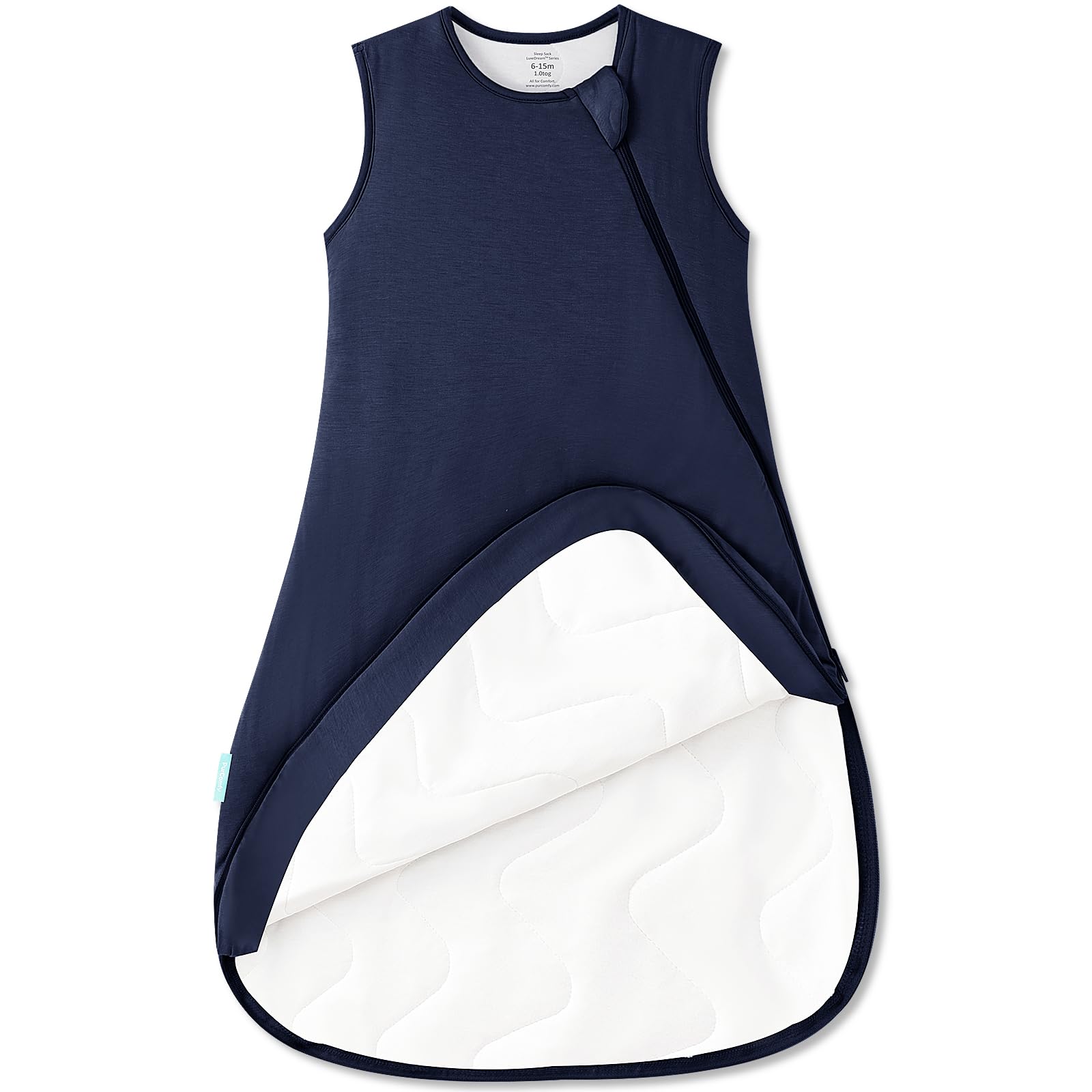
Loose blankets in a crib are a suffocation hazard. A wearable blanket—also called a sleep sack—keeps your baby warm without the risk. The PurComfy Supersoft Bamboo Viscose Sleep Sack, 1.0 TOG Baby Sleeping Bag is one option that follows the safe-sleep principle: no loose fabric, no covered face, just a snug-fitting wearable layer.
Step 1 – Understand TOG Ratings
TOG measures thermal insulation. The higher the number, the warmer the sack.
| TOG | Room Temperature | What to Dress Baby In Underneath |
|---|---|---|
| 0.5 | 75 °F and above | Short-sleeve bodysuit |
| 1.0 | 68–74 °F | Long-sleeve bodysuit or light pajamas |
| 2.5 | 61–67 °F | Long-sleeve bodysuit plus pajamas |
The PurComfy Supersoft Bamboo Viscose Sleep Sack, 1.0 TOG Baby Sleeping Bag sits right in the middle—ideal for most climate-controlled nurseries year-round.
Step 2 – Get the Right Size
A sleep sack that is too large can ride up over your baby's face. One that is too small restricts hip movement and leg rotation. Measure your baby's length and weight, then follow the brand's size chart. The sack should lie flat with room at the hips for healthy joint development.
Step 3 – Dress Your Baby Correctly Underneath
- Start with a breathable cotton or bamboo bodysuit.
- Add footie pajamas only when the room is on the cooler side.
- Never add a hat—babies release heat through their heads.
- Feel the back of the neck: warm and dry means the layering is right; sweaty means remove a layer.
Step 4 – Put the Sleep Sack On
Unzip the sack completely. Lay your baby on top, arms through the armholes, then zip from the bottom up. Make sure the zipper cover sits flat and the neckline rests below the chin without gaping.
Step 5 – Safety Checks Every Night
- Confirm the neck opening is snug—no more than two fingers of gap.
- Ensure no loose toys, bumpers, or blankets share the crib.
- Place baby flat on their back every time.
- Replace the sack if the zipper jams or the fabric shows wear.
When to Transition Out
Most babies move to a regular blanket around 18–24 months, once they can reliably pull a blanket on and off themselves. If your baby stands and tries to climb out of the crib while wearing a sack, switch to a walker-style sack with foot openings.
Verdict
A 1.0 TOG bamboo sleep sack hits the sweet spot for most indoor temperatures, and the PurComfy option earns strong parent feedback with a 4.6-star rating across thousands of reviews. The bamboo viscose fabric is soft, breathable, and a mid-range value for a nursery essential you will use every single night.
Who It Suits
Parents looking for a safe, blanket-free sleep solution in a temperature-controlled room who want soft, breathable fabric against their baby's skin.
Who Should Skip
Families in very cold nurseries (below 65 °F) may need a higher TOG rating instead of layering excessively underneath.
Related Buying Guides
- WONDERKID vs AUSTOR Self-Closing Outlet Covers: Which Slide Mechanism Is Smoother for Daily Use?
- Best Baby Shower Gift: Carrier Bib Sets That New Parents Actually Need
- Backseat Organizer with Tray Table vs. Without: Which Setup Actually Works for Daily School Runs?
- Baby Won't Keep Earmuffs On? Troubleshooting Infant Hearing Protection
- Beginner's Guide to Baby Diaper Cream: What Every New Parent Needs to Know
- How to Build a Budget Travel System with a Car-Seat-Compatible Stroller