How to Stop Foam Door Stoppers From Falling Off Constantly
If your foam door stoppers keep sliding off or losing grip, you're not alone. Learn the common reasons they fail to stay put and practical solutions to make them work reliably for child safety and pet access.
Why Your Foam Door Stopper Keeps Falling Off
Nothing is more frustrating than installing a foam door stopper to protect little fingers or give your pet room-to-room access, only to find it on the floor hours later. The good news is that most foam door stopper adhesion problems have simple fixes once you understand what's causing them.
The most common culprits include oily or dusty door surfaces, installing the stopper in high-traffic areas where it gets bumped frequently, or using worn-out foam that has lost its grip. Temperature changes and humidity can also weaken the bond between the stopper and the door.
Quick Fixes to Keep Door Stoppers in Place
Before you give up on your foam stoppers, try these troubleshooting steps:
- Clean the surface thoroughly: Wipe the door edge with rubbing alcohol and let it dry completely before reapplying the stopper. Residue from cleaners or natural oils from hands can prevent proper adhesion.
- Reposition strategically: Move the stopper slightly higher or lower on the door edge to find a spot with less wear and better contact. Avoid areas that get bumped when people walk through.
- Apply pressure during installation: Press firmly for at least 30 seconds when attaching the stopper to ensure full contact. Some foam products need a few hours to reach maximum grip strength.
- Consider door material: Foam stoppers adhere better to smooth painted surfaces than textured or wood-grain finishes. If your door has a rough texture, you may need to test different placement spots.
When to Replace Your Foam Door Stopper
If your stopper continues falling off after cleaning and repositioning, it may have reached the end of its useful life. Foam compresses over time and loses its ability to grip securely. Look for flattened areas, visible wear, or foam that feels brittle.
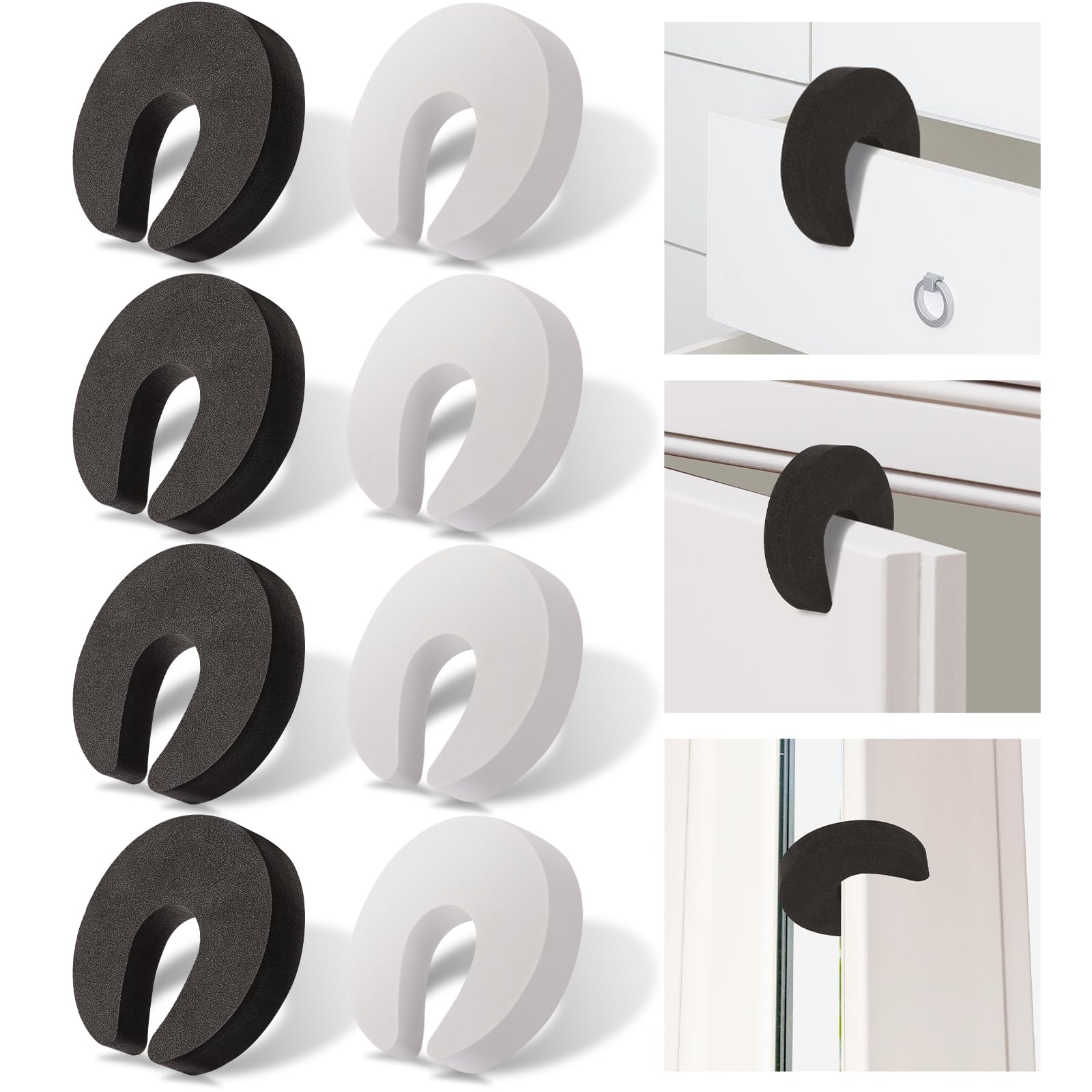
The 8 Pcs Multifunctional Door Slam Stopper and Door Pinch Guard by Jheoyrt offers a fresh set designed to install without tools or drilling. These lightweight foam pieces work on interior, exterior, and sliding doors, and the set includes eight stoppers so you can replace worn units or cover multiple doors throughout your home.
Additional Benefits Beyond Staying Put
Beyond solving the falling-off problem with fresh foam, the 8 Pcs Multifunctional Door Slam Stopper and Door Pinch Guard prevents finger injuries, stops doors from slamming, and protects walls from damage. The vibrant colors blend with home decor while keeping children and pets safe. Because they're reusable and easy to remove, you can reposition them as needed without leaving marks.
The Verdict: Prevention Beats Constant Reinstalling
Most foam door stopper adhesion issues stem from improper installation or dirty surfaces rather than product defects. A thorough cleaning, strategic placement, and fresh foam when needed will solve the problem for the majority of households. Investing in a multi-pack gives you backup units and the flexibility to replace worn stoppers before they become a safety issue.
Who This Solution Works For
This approach suits parents with toddlers who need reliable finger-pinch protection, pet owners who want their animals to move freely between rooms, and anyone frustrated by constantly picking stoppers up off the floor. It's also ideal for renters who need damage-free installation and removal.
Who Should Skip This
If your doors have extremely textured surfaces or you need permanent hardware solutions, foam stoppers may not provide the long-term grip you're looking for. Homes with very heavy doors or high wind exposure might also need more robust door control methods.
Related Buying Guides
- Best Muslin Bandana Drool Bibs Under $15: NISXABEBE vs CIVARUA KIDS
- Best Baby Scratch Mittens Under $30: Bulk Packs vs Stay-On Designs
- Best Goat Hair Brush Set for Kids' Craft Projects Under $15
- Best Disposable Changing Pad for Postpartum Recovery: Skyripple vs Stack Man
- Glossy Vinyl vs Polyester Waterproof Labels for Nursery Organization
- Summer Baby Laundry Hampers That Tackle Hot-Weather Outfit Overload