How to Keep Your Baby Food Feeder Clean and Safe: Daily Maintenance Tips
Discover essential maintenance practices to keep your baby food feeder hygienic and safe. From daily cleaning routines to proper storage and replacement schedules, this guide helps you maintain feeding equipment for happy, healthy weaning.
Why Regular Maintenance Matters for Baby Food Feeders
Baby food feeders introduce your little one to fruits, vegetables, and solid foods during the weaning phase while minimizing choking risks. However, these tools come into direct contact with fresh foods and your baby's mouth, making proper maintenance critical for preventing bacteria buildup and ensuring safe feeding sessions.
Without consistent cleaning and inspection, residue from soft foods can hide in small crevices, creating unsanitary conditions. A well-maintained feeder not only protects your baby's health but also extends the lifespan of the product, especially when it includes multiple silicone sacs designed for different stages.
Daily Cleaning Routine After Every Use
The NatureBond Baby Food Feeder/Fruit Feeder Pacifier Nibbler (2 Pack) is specifically designed to be fully dismantled for thorough washing, with no irremovable components that trap food particles. This feature makes daily maintenance straightforward and effective.
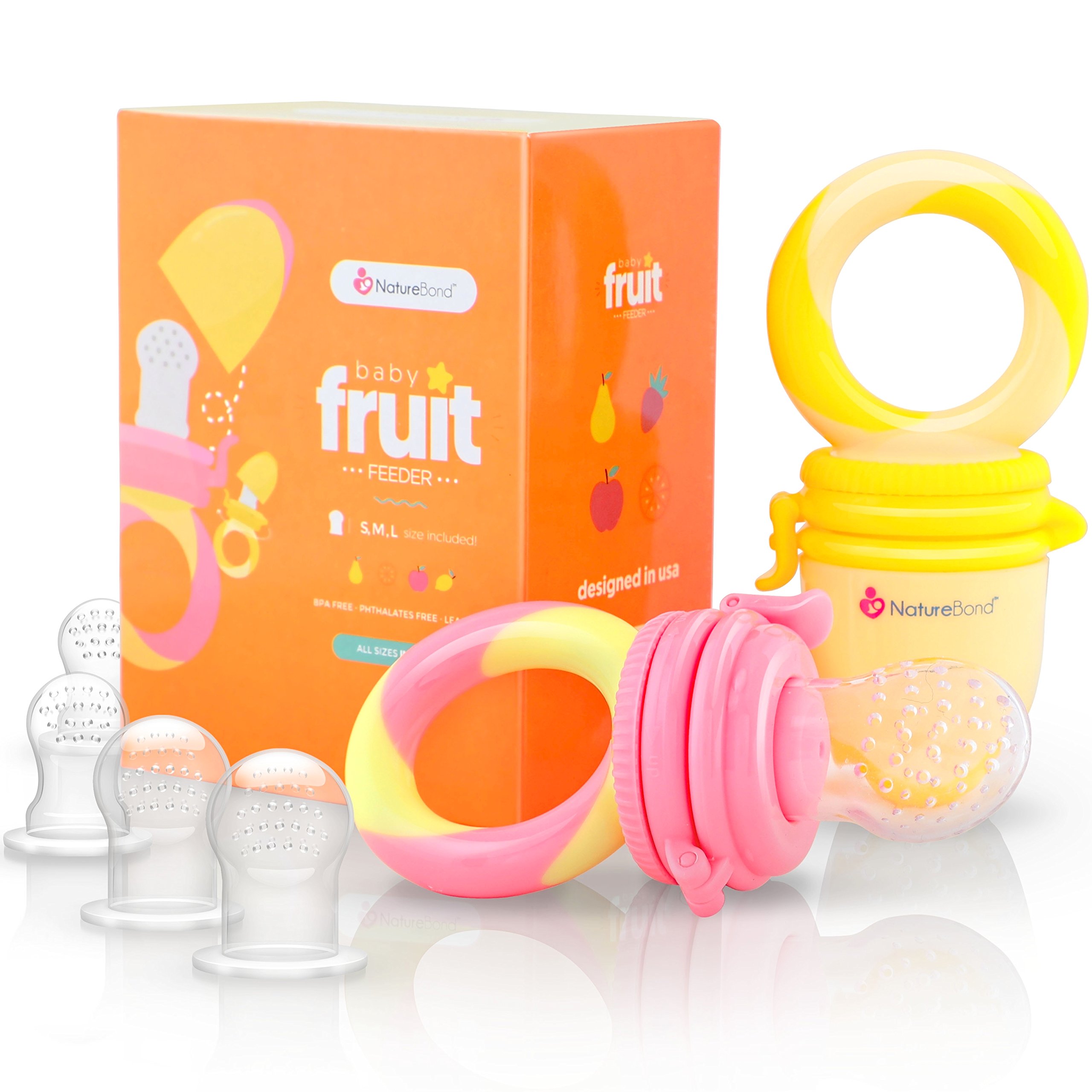
Step-by-Step Daily Cleaning
- Disassemble immediately: Take apart all components right after feeding while residue is still fresh and easier to remove.
- Rinse thoroughly: Hold each piece under warm running water to flush away visible food particles from the silicone sac, turning knob, and handle.
- Wash with soap: Use mild dish soap and a soft bottle brush to scrub inside the silicone sacs, paying attention to the tiny holes where food passes through.
- Inspect carefully: Check each component for trapped food, especially around the turning knob mechanism and inside the ring edges.
- Air dry completely: Place all pieces on a clean drying rack with good air circulation to prevent moisture buildup that encourages mold.
Weekly Deep Cleaning Protocol
Beyond daily washing, schedule a weekly deep clean to address any buildup that regular rinsing might miss. This is especially important for silicone sacs that come in contact with sticky fruits like banana or mango.
| Deep Cleaning Method | Best For | Frequency |
|---|---|---|
| Boiling water soak (3-5 minutes) | Removing stubborn stains and sanitizing | Weekly |
| Baking soda paste scrub | Eliminating odors from silicone | As needed |
| Dishwasher top rack (if approved) | Convenient sanitizing | Weekly alternative |
| White vinegar soak (15 minutes) | Natural disinfecting | Bi-weekly |
When to Replace Silicone Sacs and Components
The NatureBond Baby Food Feeder/Fruit Feeder Pacifier Nibbler (2 Pack) includes six total silicone sacs in three sizes (small, medium, and large), giving you flexibility as your baby grows. Knowing when to rotate or replace these sacs ensures continued safety.
Replacement Indicators
- Visible tears or holes: Any damage beyond the designed perforations compromises safety and should prompt immediate replacement.
- Discoloration that won't clean: Persistent staining after deep cleaning may indicate material breakdown.
- Texture changes: If silicone feels sticky, brittle, or excessively soft, it's time for a fresh sac.
- Persistent odors: Smells that remain after thorough washing suggest trapped bacteria in the material.
- Timeline: Even with perfect maintenance, consider replacing silicone sacs every 2-3 months with daily use.
Proper Storage Between Uses
How you store your baby food feeder between meals affects hygiene and longevity. After ensuring all components are completely dry, store them in a clean, ventilated container or drawer away from direct sunlight, which can degrade silicone over time. Keep the assembled feeder in a sealed bag only if all parts are bone-dry to prevent moisture accumulation.
The Verdict on Food Feeder Maintenance
Maintaining a baby food feeder requires daily attention but takes just a few minutes when you establish a consistent routine. The NatureBond Baby Food Feeder/Fruit Feeder Pacifier Nibbler (2 Pack) simplifies this process with its fully dismantlable design and Bureau Veritas USA certification confirming it's BPA free, latex free, lead free, and phthalates free. With multiple silicone sacs included, you can rotate them during cleaning cycles, always having a fresh option ready for the next feeding.
Ready to maintain safe feeding practices? The fully dismantlable design makes cleaning effortless.
Check Latest PriceWho This Maintenance Routine Suits
Parents who value hygiene and want feeding equipment that's easy to clean daily will appreciate the straightforward disassembly design. The inclusion of multiple silicone sacs means you can maintain a rotation system, ensuring one set is always clean and ready while another is being washed or deep cleaned.
Who Should Consider Alternatives
If you prefer feeding tools that can go directly into the dishwasher without any hand-washing steps, or if you're looking for a feeder with fewer small parts to track during cleaning, you might want to explore other options. Families who feed infrequently may also find the detailed maintenance routine more involved than necessary for occasional use.
Related Buying Guides
- Your Toddler's First Backpack for Preschool: A Beginner's Guide
- Best Clear Corner Protectors for Baby-Proofing Your Furniture
- Travel Formula Container FAQ: What Parents Ask Before Leaving Home
- Best UV-C Toothbrush Sanitizer for Daycare-Going Babies
- Best Muslin Bandana Drool Bibs Under $15: NISXABEBE vs CIVARUA KIDS
- Best Baby Scratch Mittens Under $30: Bulk Packs vs Stay-On Designs