Fleece vs Organic Cotton Sleep Sacks: Which Yoofoss Fabric Keeps Your Baby Most Comfortable?
Choosing between fleece and organic cotton sleep sacks can significantly impact your baby's comfort throughout the night. This comparison examines the Yoofoss fleece and organic cotton options to help you select the right fabric for your baby's specific needs and your home's climate.
When it comes to keeping your baby comfortable through the night, the fabric of their sleep sack matters more than many parents realize. The difference between fleece and organic cotton goes beyond simple texture—it affects temperature regulation, skin sensitivity, and how well your baby sleeps across different seasons.
Understanding Fabric Performance
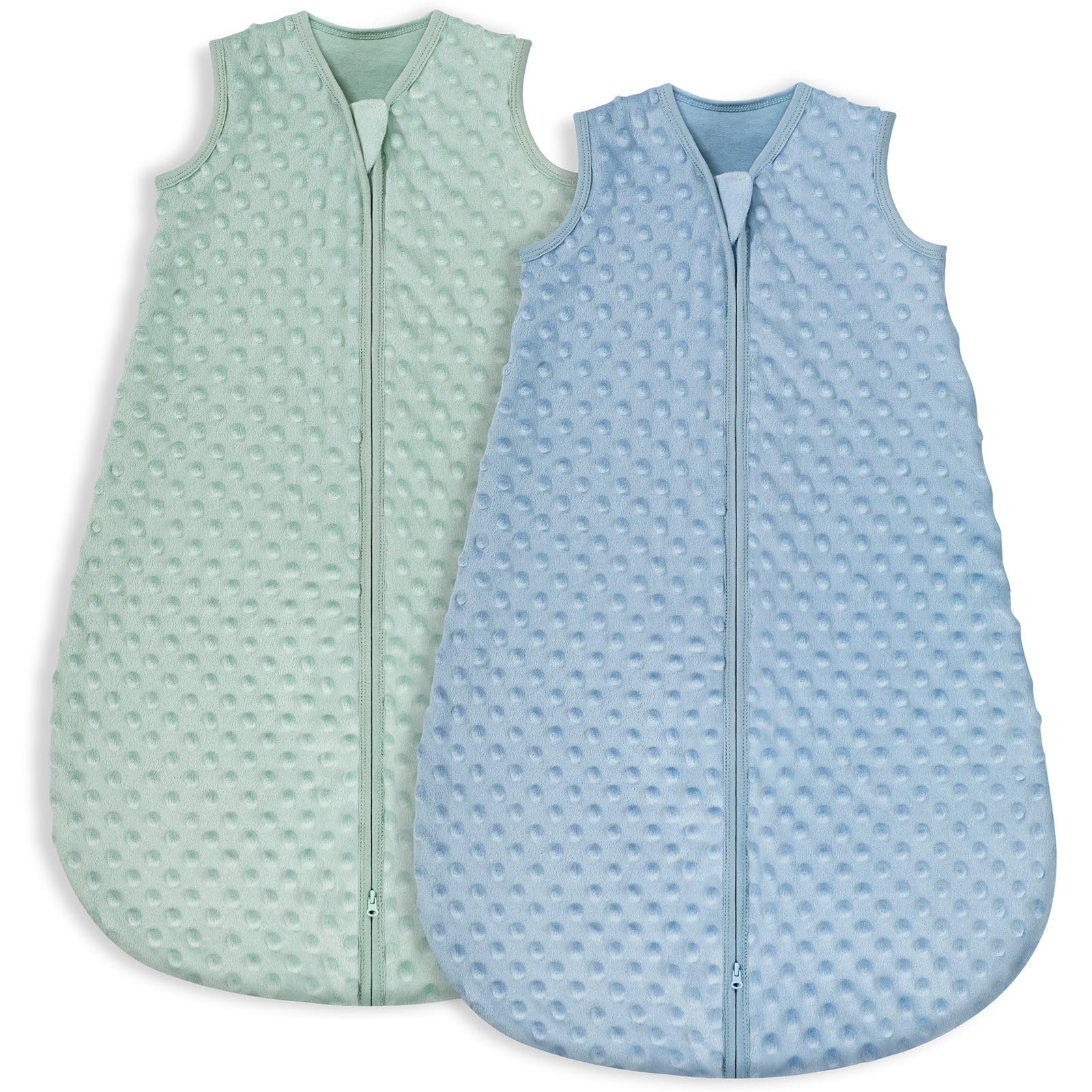
The Yoofoss Fleece Baby Sleep Sack 6-12 Months with Plush Dots, TOG 1.5 Baby Wearable Blanket with 2-Way Zipper, Cotton Toddler Sleep Sack Fleece features a dual-layer construction with plush fabric on the outside and cotton lining inside. Its 1.5 TOG rating makes it suitable for moderate temperatures between 69 and 73°F, positioning it as a transitional option for autumn, early winter, and spring.
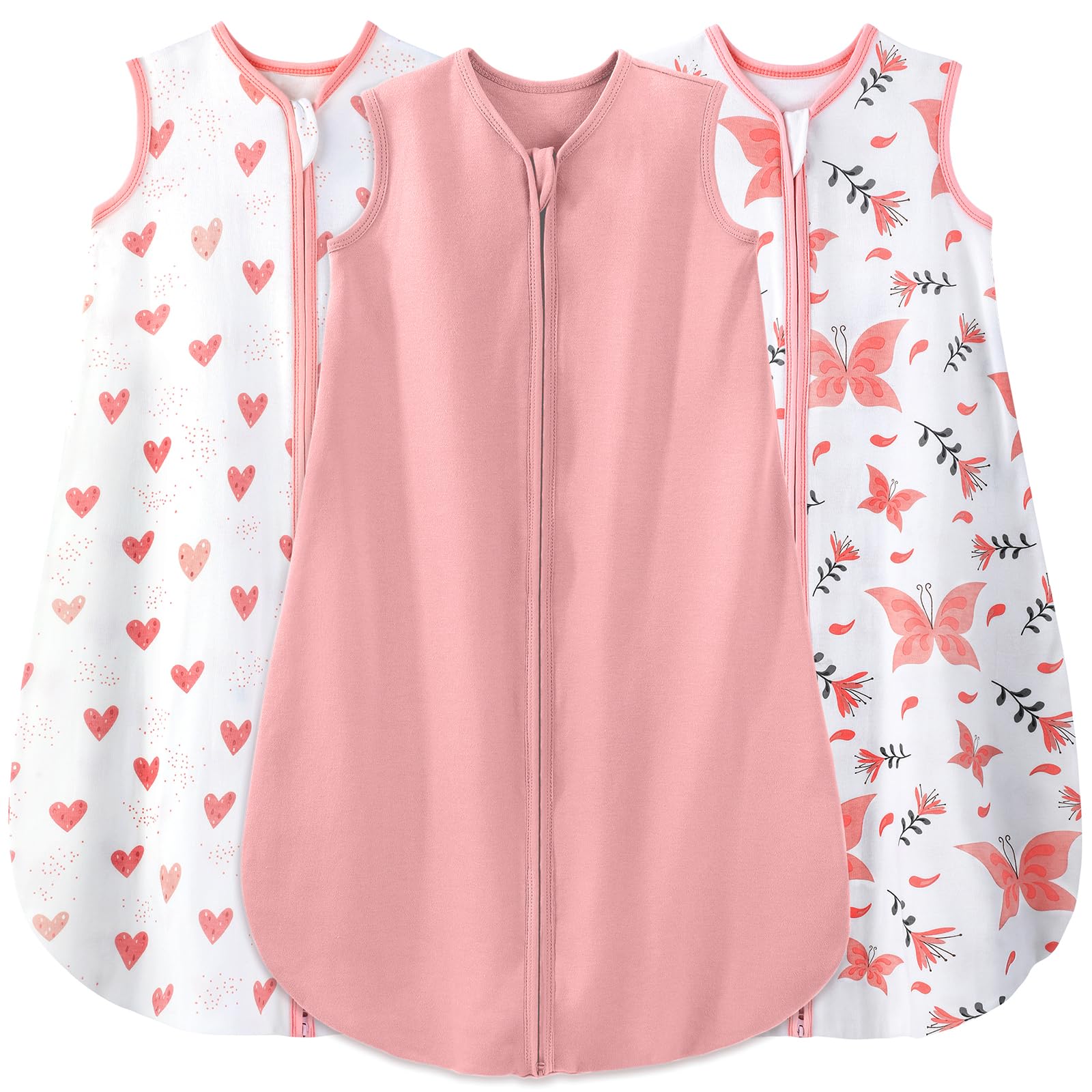
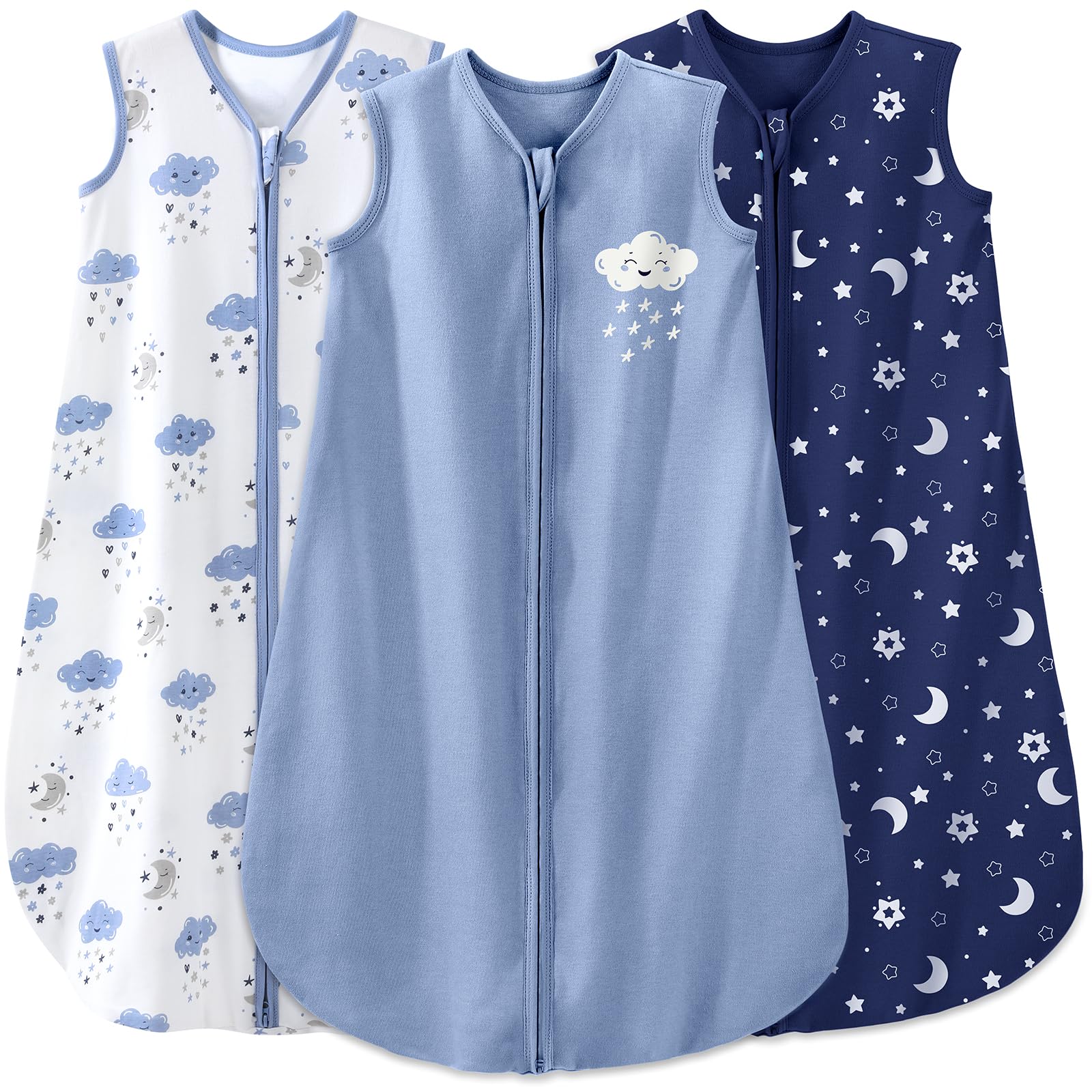
In contrast, organic cotton options like the Yoofoss Baby Sleep Sack 0-6 Months Baby Wearable Blanket 100% Organic Cotton 2-Way Zipper TOG 0.5 Toddler Sleeping Sack 3 Pack Lightweight Sleep Sacks for Babies are built for breathability. With a 0.5 TOG rating, these sleep sacks work best in warmer conditions and excel at preventing overheating.
Material Benefits Breakdown
Fleece Sleep Sack Advantages
- Extra warmth for cooler nurseries without heavy blankets
- Plush heart-dot texture provides tactile comfort that may help babies settle faster
- Two-layer design offers insulation while maintaining some breathability through the cotton lining
- CPSC certified for safe sleep practices
Organic Cotton Sleep Sack Advantages
- GOTS certification ensures no harmful chemicals touch sensitive skin
- Superior breathability prevents heat buildup during sleep
- Lighter weight makes it easier for babies to move freely
- 3-pack value means you always have a clean option ready
Practical Temperature Considerations
The TOG difference tells the real story. A 1.5 TOG fleece option works when your thermostat sits in the moderate range, but during warmer months or in homes where nursery temperatures climb above 73°F, organic cotton becomes the more practical choice. Many parents find themselves switching between fabric types as seasons change rather than committing to just one.
Both fabric types feature the same practical design elements: hidden two-way zippers for diaper changes, roomy leg space for hip development, and machine-washable construction. The Yoofoss Baby Sleep Sack 0-6 Months Wearable Blanket for Babies 100% Organic Cotton 2-Way Zipper TOG 0.5 Toddler Sleeping Sack 3 Pack, Sleep Sacks maintains these features across color variations, making the choice primarily about thermal needs.
Quick Decision Framework
| Factor | Choose Fleece | Choose Organic Cotton |
|---|---|---|
| Room Temperature | Below 73°F | Above 73°F |
| Season | Fall, Winter, Spring | Summer, Warm Climates |
| Skin Sensitivity | Cotton lining protects | GOTS certified purity |
| Quantity | 2-pack | 3-pack |
The Balanced Verdict
Neither fabric type is universally superior—the right choice depends entirely on your nursery conditions and when you plan to use the sleep sack. The fleece version excels during cooler months when you need reliable warmth without layering multiple garments. Organic cotton shines when breathability and chemical-free materials top your priority list, particularly for babies with sensitive skin or those sleeping in warmer environments.
Who Should Choose Fleece
Parents maintaining nursery temperatures between 69-73°F will appreciate the fleece construction. If your baby seems to wake from being cold or you live in climates with distinct seasonal changes, the 1.5 TOG rating provides appropriate insulation. The plush texture also appeals to babies who respond well to soft, slightly weighted surfaces.
Who Should Choose Organic Cotton
If your home runs warm, if you're concerned about chemical exposure, or if your baby tends to overheat easily, organic cotton makes more sense. The 3-pack configuration proves especially practical for parents who need backup options during frequent washing cycles. Babies with eczema or documented skin sensitivities often do better with GOTS-certified organic materials.
Many families eventually invest in both fabric types to accommodate seasonal temperature shifts rather than forcing a single option to work year-round. This approach gives you flexibility as your baby grows and as weather patterns change throughout the year.
Related Buying Guides
- Backseat Organizer With a Foldable Tray vs. Without: SURDOCA and Oneyus Go Head-to-Head
- Smopgn Portable Bottle Warmer Review: Travel-Friendly Milk Warming On the Go
- Vaunn Medical Foot Step Stool Review: A Sturdy Non-Slip Step Stool for Busy Families
- Best Lightweight Infant Car Seat Travel System: Evenflo Pivot NXT Editions Compared
- WONDERKID vs AUSTOR Self-Closing Outlet Covers: Which Slide Mechanism Is Smoother for Daily Use?
- Best Baby Shower Gift: Carrier Bib Sets That New Parents Actually Need