Cream vs. Spray: Which Diaper Rash Treatment Format Works Best?
The debate between traditional cream and spray-on diaper rash treatments isn't just about convenience—it's about finding the right application method for your baby's skin and your daily routine. We compare two zinc oxide formulas in different formats to help you choose.
When your baby develops diaper rash, the treatment you choose matters—but so does how you apply it. The traditional tube cream has been the standard for generations, while spray formulas represent a newer approach that eliminates hand contact entirely. Both deliver zinc oxide protection, yet each format brings distinct advantages depending on your situation.
This comparison examines two different application formats: a natural tube cream and a touch-free spray. Both use zinc oxide as their active ingredient and avoid harsh chemicals, but the experience of using them differs significantly.
Format Comparison Overview
| Feature | BOTAO Baby's Natural Diaper Cream | The Honest Company Baby Diaper Rash Cream Spray |
|---|---|---|
| Format | Tube cream | Spray bottle |
| Application | Hand application required | Touch-free spray |
| Size | 2.5 oz | 2 fl oz |
| Active Ingredient | Zinc oxide with botanicals | Zinc oxide formula |
| Botanicals | Aloe vera, shea butter, chamomile, calendula | Not specified |
| Texture | Cream consistency | Liquid spray |
| Price | the latest price | the latest price |
| Rating | 4.4 out of 5 | 4.6 out of 5 |
Traditional Tube Cream: BOTAO's Natural Formula
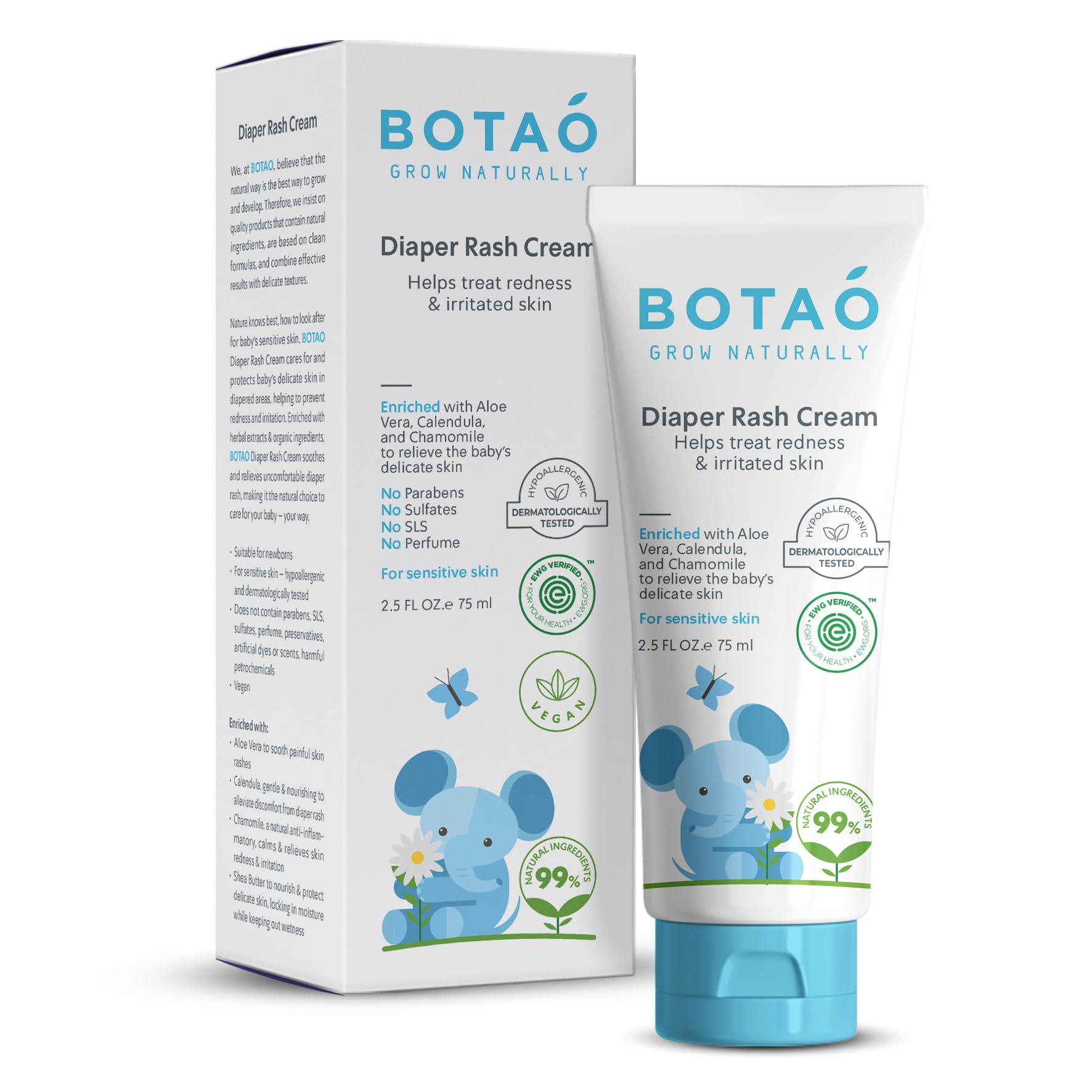
BOTAO Baby's Natural Diaper Cream represents the classic approach: squeeze the cream onto your fingertips and apply it directly to affected areas. This method gives you complete control over coverage thickness and allows you to feel exactly where you're placing the product.
The formula includes 99% natural ingredients, with zinc oxide working alongside aloe vera, shea butter, chamomile, and calendula. It's EWG Verified, clinically tested, hypoallergenic, and completely fragrance-free. The vegan formula excludes SLS, parabens, preservatives, artificial dyes, and sulfates.
Hand application lets you precisely target red patches and adjust the amount for different severity levels. You can work the cream into skin folds more thoroughly than spray allows. The tactile feedback helps ensure complete coverage, particularly useful during nighttime changes when lighting may be limited.
Touch-Free Spray: The Honest Company's Innovation
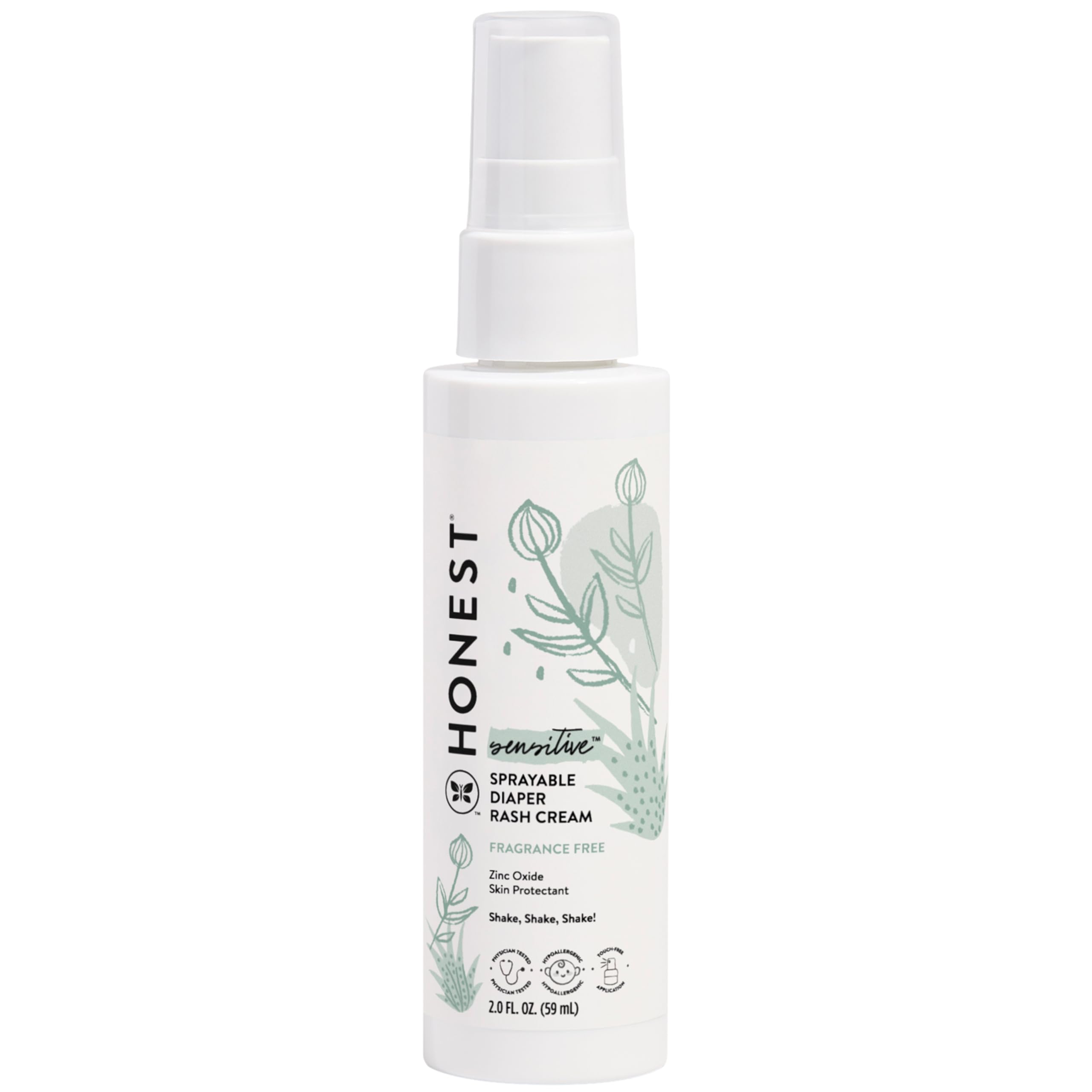
The Honest Company Baby Diaper Rash Cream Spray eliminates hand contact completely. Point, spray, and you're done—no rubbing required. This physician-tested formula helps treat and prevent diaper rash while sealing out wetness and protecting chafed skin.
The spray format excels during severe rashes when any touch causes discomfort. It's dermatologist and physician tested, hypoallergenic, cruelty-free, and made in the USA. The formula excludes silicones, parabens, lanolin, petrolatum, mineral oil, and synthetic fragrances.
Spray application offers speed advantages when your baby won't stay still or when you're managing diaper changes in less-than-ideal locations. The no-mess approach means cleaner hands and faster cleanup, particularly valuable when dealing with multiple children or tight schedules.
Key Differences That Matter
The fundamental distinction comes down to application control versus convenience. Cream provides tactile precision—you feel where the product goes and can ensure even distribution in challenging areas. Spray offers speed and hygiene benefits, particularly when dealing with painful rashes or squirmy babies.
Cream typically provides thicker barrier protection because you control the layer thickness. The physical act of application helps work the product into skin texture. Spray creates a lighter, more even coat without the friction that can aggravate sensitive skin.
For severe rashes, spray's no-touch approach may reduce discomfort during application. For preventive use or mild irritation, cream's controlled application might offer better coverage assurance. Consider your baby's typical rash patterns and your changing environment when weighing these factors.
Format Selection Guide
Choose tube cream if you:
- Prefer precise application control and visual confirmation of coverage
- Need to navigate complex skin folds or target specific problem areas
- Want the richest botanical blend with multiple soothing ingredients
- Use diaper cream primarily at home with adequate hand-washing access
- Value EWG verification and 99% natural ingredient composition
Choose spray format if you:
- Deal with severe rashes where touch causes visible discomfort
- Need fast application for active babies who won't stay still
- Change diapers frequently in public or on-the-go situations
- Want to minimize cleanup time and product transfer to hands
- Prefer touch-free hygiene for shared caregiving situations
Final Assessment
Neither format universally outperforms the other—your choice depends on specific use cases. Traditional cream offers superior control and a richer botanical profile, while spray provides unmatched convenience and comfort during application to irritated skin.
Many parents find that having both formats addresses different scenarios: cream for preventive overnight application when thoroughness matters, spray for quick daytime changes or painful flare-ups. Both products deliver effective zinc oxide protection without harsh chemicals, making either a sound choice for your baby's sensitive skin.
Related Buying Guides
- Best Muslin Bandana Drool Bibs Under $15: NISXABEBE vs CIVARUA KIDS
- Best Baby Scratch Mittens Under $30: Bulk Packs vs Stay-On Designs
- Best Goat Hair Brush Set for Kids' Craft Projects Under $15
- Best Disposable Changing Pad for Postpartum Recovery: Skyripple vs Stack Man
- Glossy Vinyl vs Polyester Waterproof Labels for Nursery Organization
- Summer Baby Laundry Hampers That Tackle Hot-Weather Outfit Overload