Cracked Nipples While Breastfeeding? Here's What Actually Helps
Cracked, sore nipples don't have to be your new normal. This troubleshooting guide walks through the most common causes and a clean-ingredient solution that actually works.
Why Breastfeeding Shouldn't Mean Burning Nipples
If you're wincing every time your baby latches, you're far from alone. Cracked, sore nipples are one of the most common breastfeeding complaints — and one of the most discouraging. The good news? It's usually fixable once you pinpoint the cause.
Common Causes of Cracked Nipples
Before you reach for any product, rule out the root problem first. The balm won't help if the source keeps doing damage.
- Poor latch — The number-one culprit. If your baby's lips are tucked in or only the nipple (not the areola) is in the mouth, friction builds fast.
- Tongue or lip tie — Restricted oral tissue makes a deep latch difficult. A pediatric dentist or lactation consultant can evaluate this.
- Incorrect positioning — Cross-cradle, football, or side-lying holds each suit different body types. Experiment or work with an IBCLC.
- Prolonged wetness — Milk and saliva sitting on skin softens tissue until it cracks. Air-dry after feeds when possible.
- Pumping too aggressively — High suction on a breast shield that's the wrong size causes the same trauma as a bad latch.
Once the Cause Is Addressed, How Do You Heal the Damage?
Even after you fix latch or positioning, the skin still needs active repair. That's where a quality nipple balm makes the difference between suffering through another week and actually recovering.
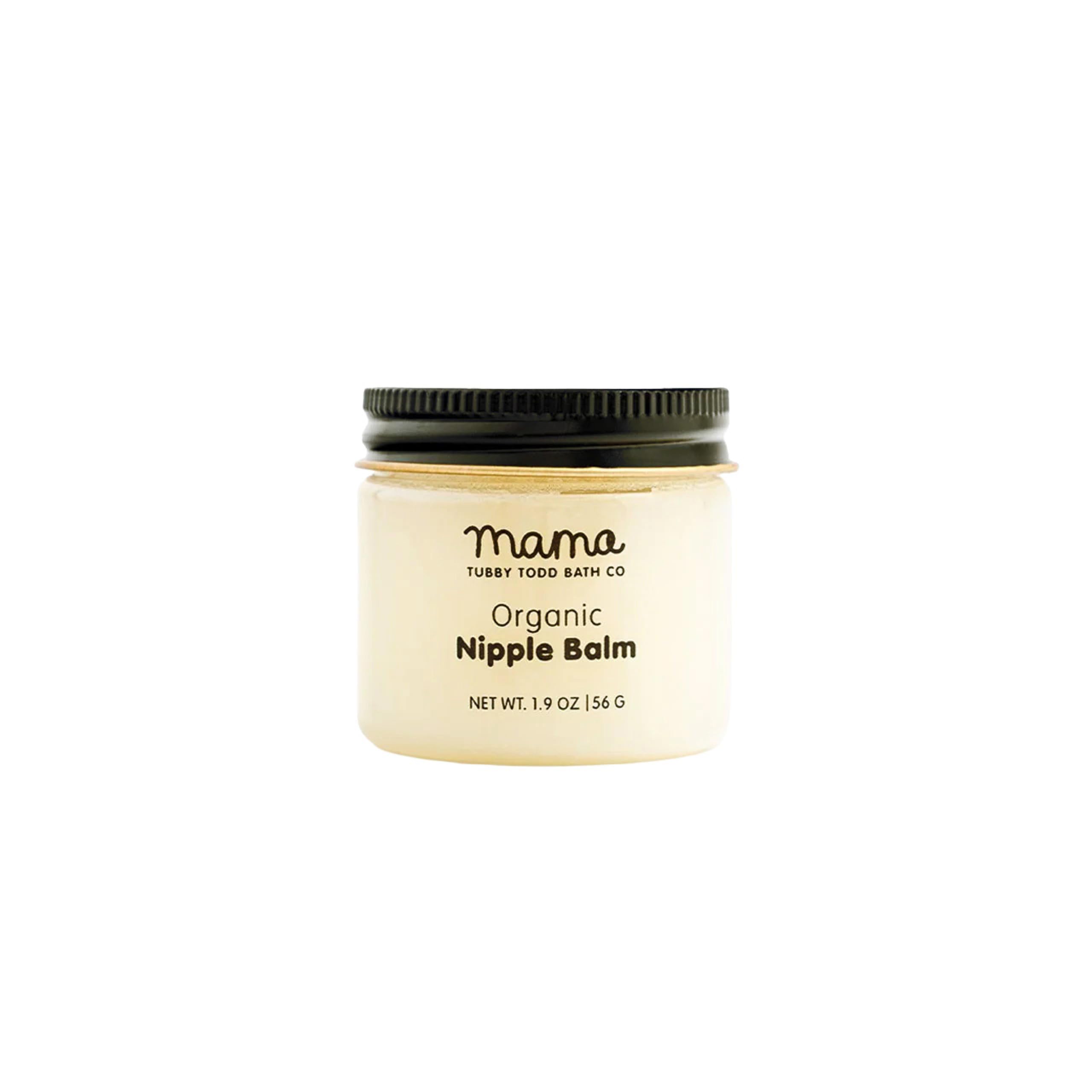
Tubby Todd Nipple Balm is formulated specifically for this window. It's a lanolin-free, USDA Certified Organic balm made with coconut oil, aloe, calendula, beeswax, and shea butter — ingredients that soothe and protect tender skin without anything you'd worry about your baby ingesting.
What Sets It Apart for Troubleshooting Sore Nipples
| Feature | Why It Matters |
|---|---|
| Lanolin-free | No risk of allergy; safe if baby ingests |
| USDA Certified Organic | Clean ingredients, no synthetic fillers |
| Fragrance-free | Won't irritate already-sensitive skin |
| No-rinse formula | Apply before, during, and after feeds |
| Multi-use | Works on lips, cuticles, any cracked skin |
How to Use It in Your Breastfeeding Routine
Apply a thin layer of Tubby Todd Nipple Balm after every feed. There's no need to wipe it off before the next session — the formula is safe for both you and your baby. For prevention, you can also apply a light layer before nursing to reduce friction.
The Verdict
Cracked nipples usually trace back to a fixable latch or positioning issue. Once you've addressed the root cause, a clean, organic balm like Tubby Todd Nipple Balm gives the skin the support it needs to actually heal. Mid-range pricing, USDA Certified Organic, and no-rinse convenience make it a practical addition to any nursing bag.
Who It Suits
Breastfeeding moms dealing with sore, cracked, or dry nipples who want a lanolin-free, organic option that's safe for baby to ingest. Also great for anyone with sensitive skin who needs a gentle, multi-purpose balm.
Who Should Skip
Moms with a known allergy to bee products (the formula contains beeswax). If your cracking is severe, bleeding, or accompanied by flu-like symptoms, see a healthcare provider first — you may have thrush or mastitis that needs medical treatment.
Related Buying Guides
- WONDERKID vs AUSTOR Self-Closing Outlet Covers: Which Slide Mechanism Is Smoother for Daily Use?
- Best Baby Shower Gift: Carrier Bib Sets That New Parents Actually Need
- Backseat Organizer with Tray Table vs. Without: Which Setup Actually Works for Daily School Runs?
- Baby Won't Keep Earmuffs On? Troubleshooting Infant Hearing Protection
- Beginner's Guide to Baby Diaper Cream: What Every New Parent Needs to Know
- How to Build a Budget Travel System with a Car-Seat-Compatible Stroller