Baby Food Feeder Features Explained: What the Silicone Sacs and Turning Knob Actually Do
Baby food feeders help introduce solid foods safely during weaning and teething. Understanding their key features—from silicone sac sizes to juice-extraction knobs—helps you choose the right option for your little one.
Understanding Baby Food Feeder Design
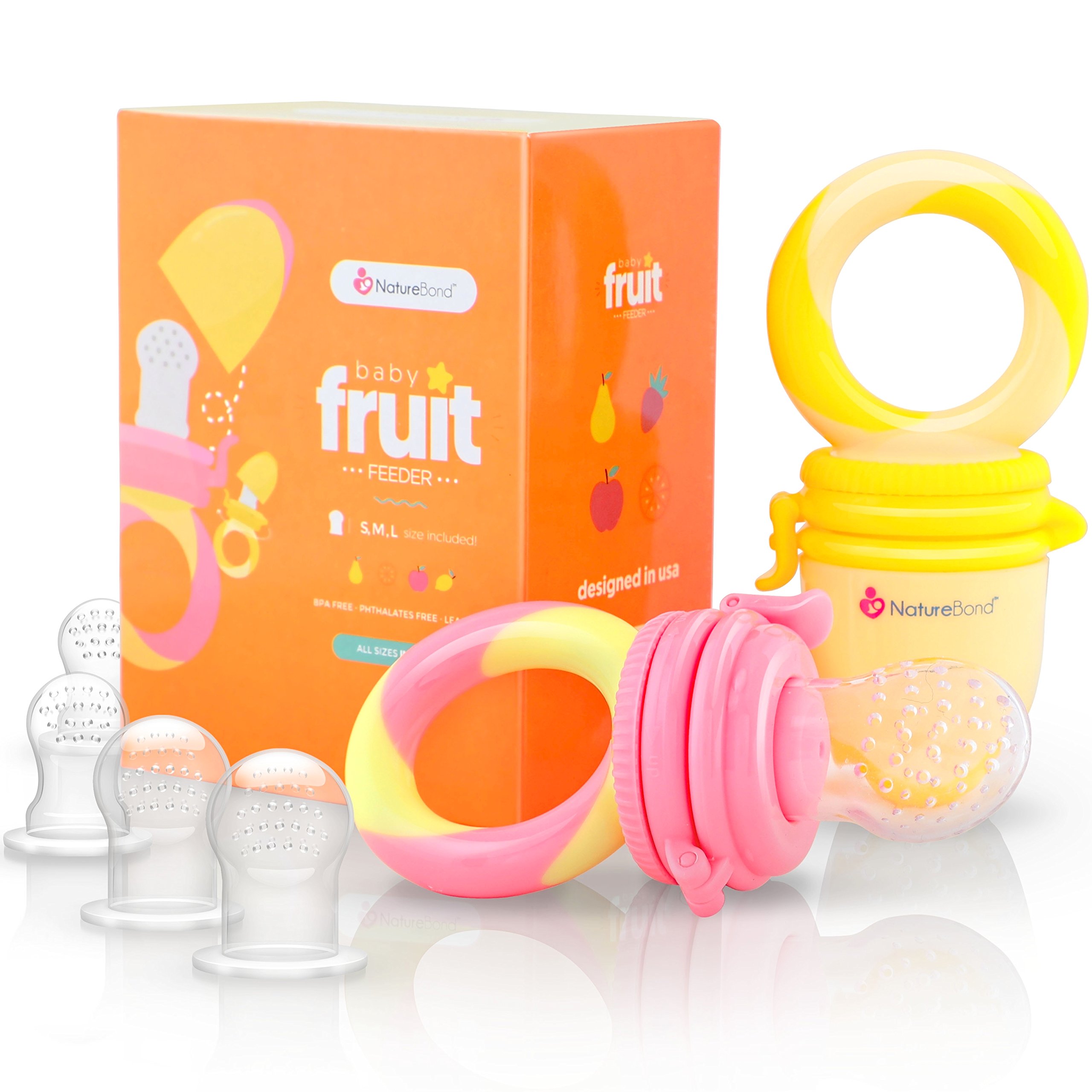
Baby food feeders serve a dual purpose during the weaning phase. They let infants explore solid foods safely while providing teething relief through gentle gum massage. The NatureBond Baby Food Feeder/Fruit Feeder Pacifier Nibbler (2 Pack) demonstrates how thoughtful design features address common parenting concerns during this transition.
Key Features That Matter
Silicone Sac System
The silicone sacs hold food pieces while allowing small amounts through tiny perforations. This prevents choking while letting babies taste and self-feed. The NatureBond Baby Food Feeder/Fruit Feeder Pacifier Nibbler (2 Pack) includes six total sacs in three sizes—small, medium, and large—so you can match the sac to your baby's age and mouth size.
Turning Knob Mechanism
The turning knob at the base squeezes fruit juices from the food inside the sac. This feature helps babies get more flavor and nutrients without needing to bite down hard—particularly useful during painful teething periods.
Complete Disassembly Design
Unlike feeders with permanently attached components, this model dismantles fully. Every piece separates for thorough washing, which matters for hygiene when dealing with fruit residue and baby saliva.
Safety Certifications
The feeder carries Bureau Veritas USA certification confirming it's free from BPA, latex, lead, and phthalates. These certifications address material safety concerns that arise when products go directly in a baby's mouth.
Feature Comparison
| Feature | Function |
|---|---|
| Three Sac Sizes | Adapts to different ages and developmental stages |
| Juice-Squeezing Knob | Extracts liquid nutrition without hard chewing |
| Full Disassembly | Enables complete cleaning of all components |
| Candy-Like Colors | Visual stimulation to encourage feeding interest |
Practical Considerations
What Works Well
- Two-pack format provides a backup while one is being cleaned
- Size variety accommodates growth from early weaning through toddlerhood
- Textured silicone surface massages sore gums during teething
- Handle design allows babies to grip and manipulate independently
Who Benefits Most
Parents introducing first foods to babies around six months will find the smallest sac size appropriate for early exploration. The larger sizes work for older babies ready for chunkier textures. The teething relief feature particularly helps during the 6-12 month period when multiple teeth emerge.
Who Might Skip This
If your baby has already transitioned comfortably to utensil feeding or refuses mesh/silicone textures, traditional spoon-feeding might suit you better. Babies with strong preferences for smooth purees may not take to the texture of food pieces in the sac.
The Bottom Line
The feature set addresses real weaning challenges: safe food exploration, teething comfort, hygiene maintenance, and adaptability across developmental stages. The turning knob and multiple sac sizes distinguish this model from basic mesh feeders. At the listed price point, getting two complete feeders with six sacs total offers practical value for the weaning period.
Related Buying Guides
- Best Muslin Bandana Drool Bibs Under $15: NISXABEBE vs CIVARUA KIDS
- Best Baby Scratch Mittens Under $30: Bulk Packs vs Stay-On Designs
- Best Goat Hair Brush Set for Kids' Craft Projects Under $15
- Best Disposable Changing Pad for Postpartum Recovery: Skyripple vs Stack Man
- Glossy Vinyl vs Polyester Waterproof Labels for Nursery Organization
- Summer Baby Laundry Hampers That Tackle Hot-Weather Outfit Overload